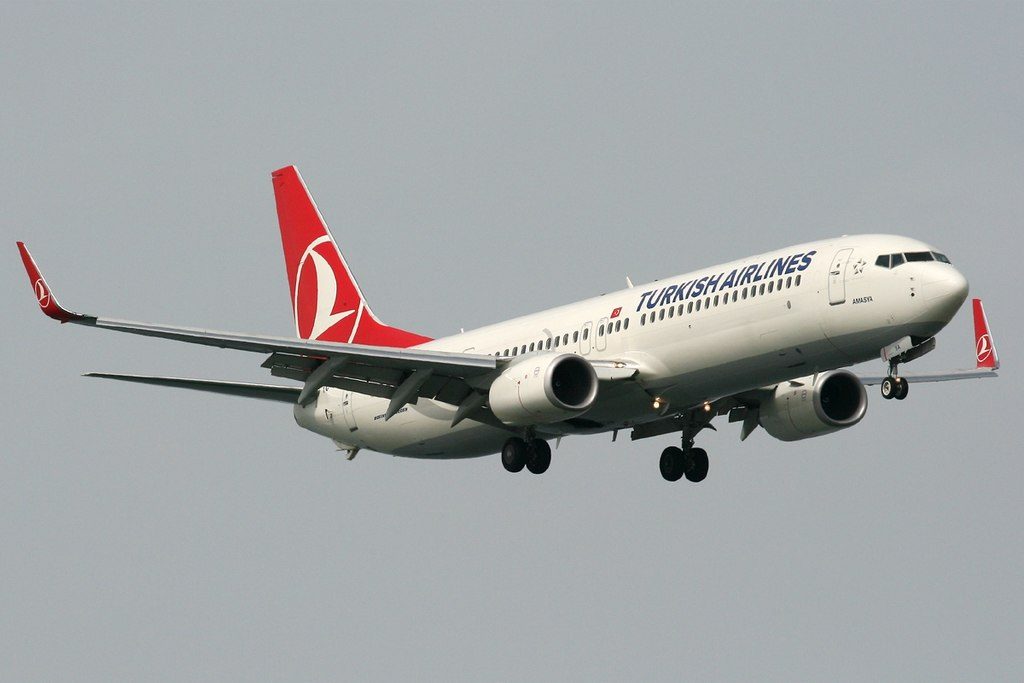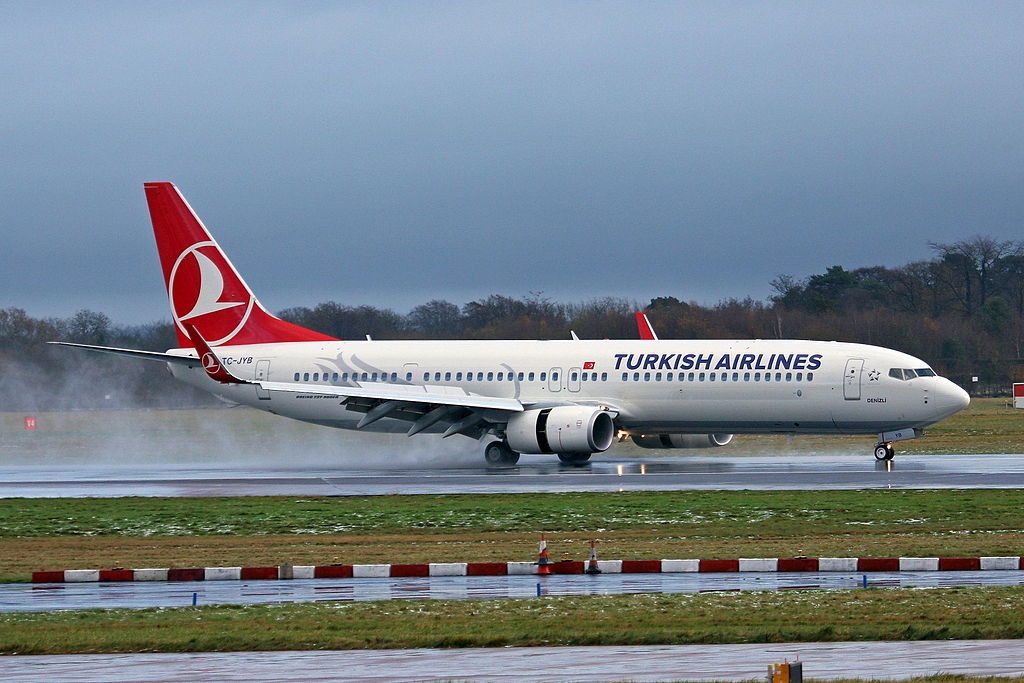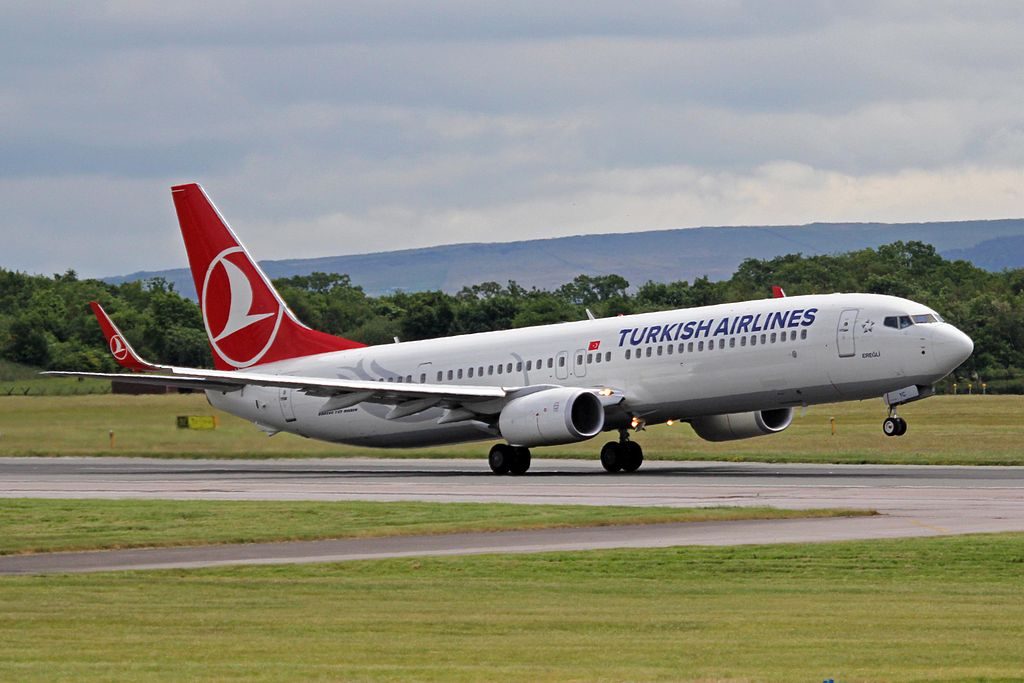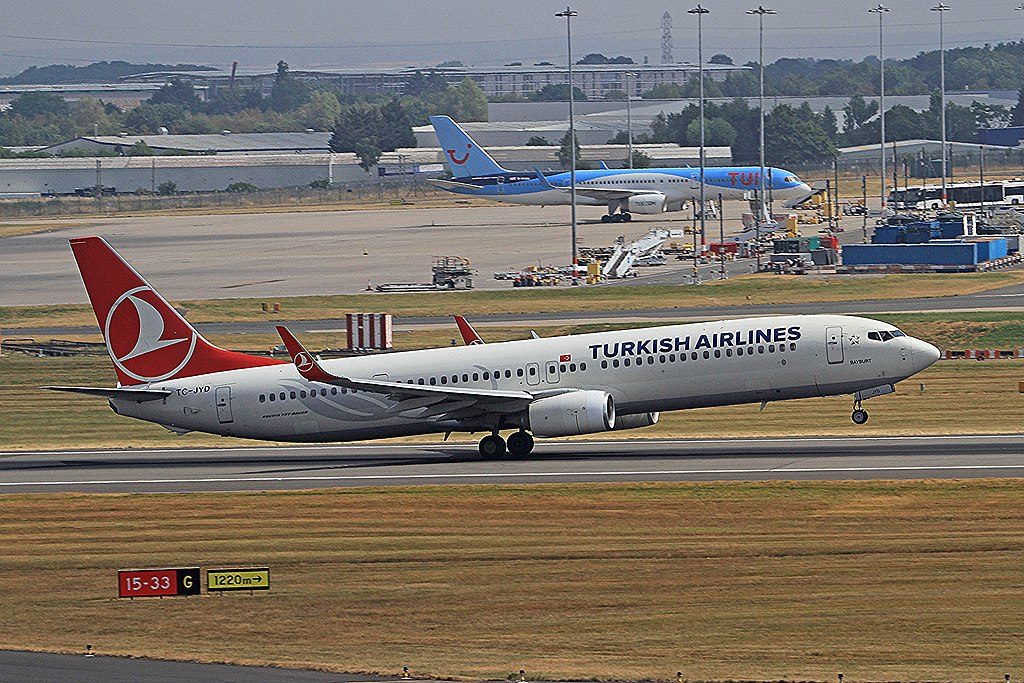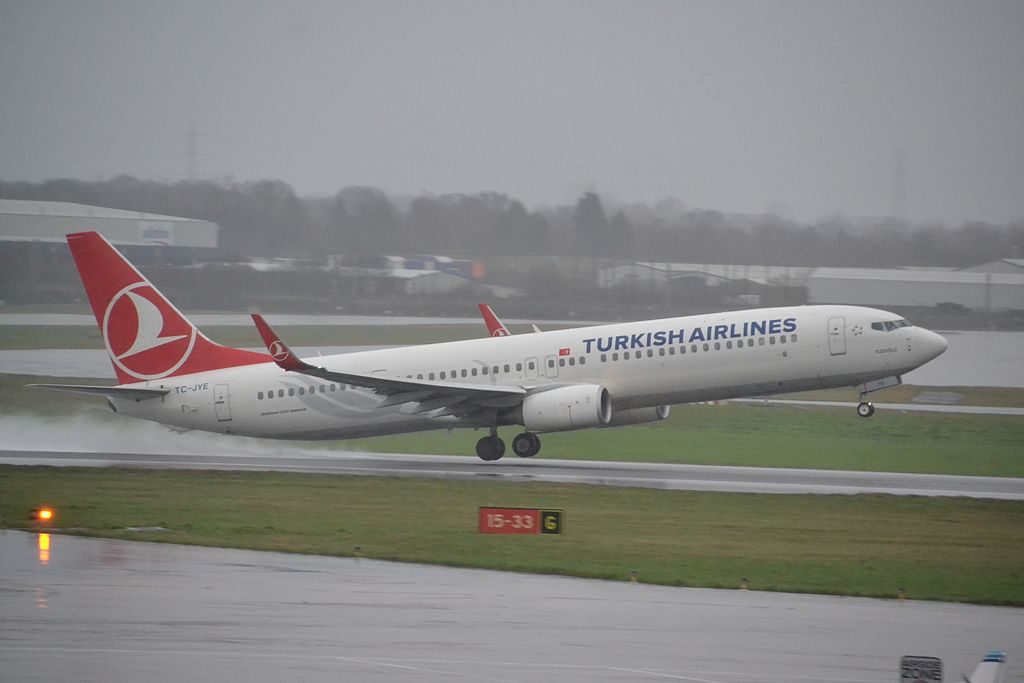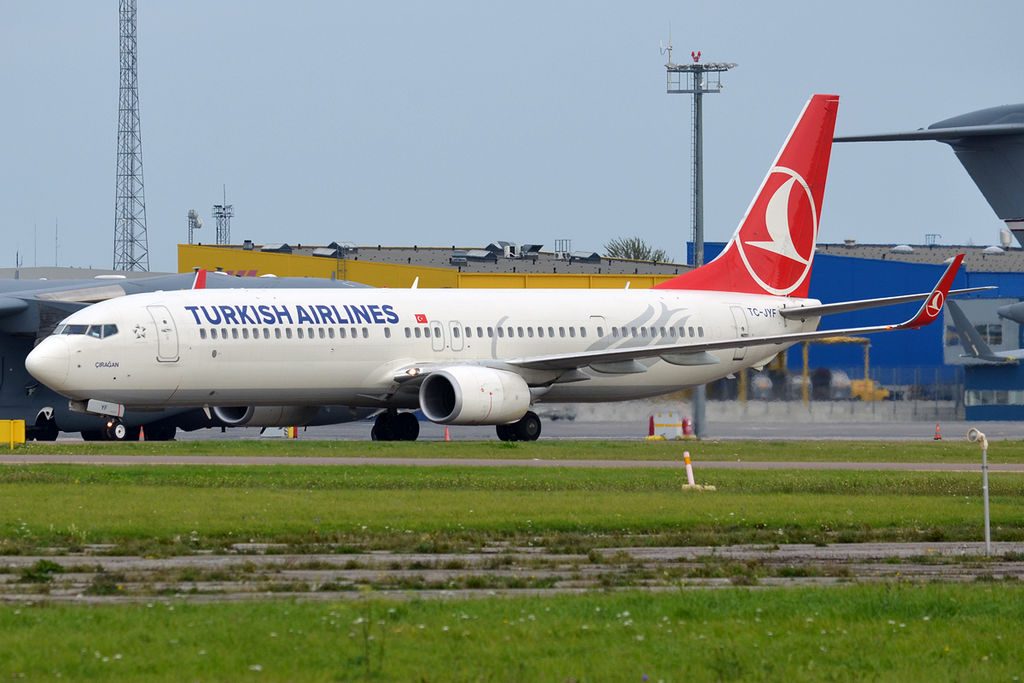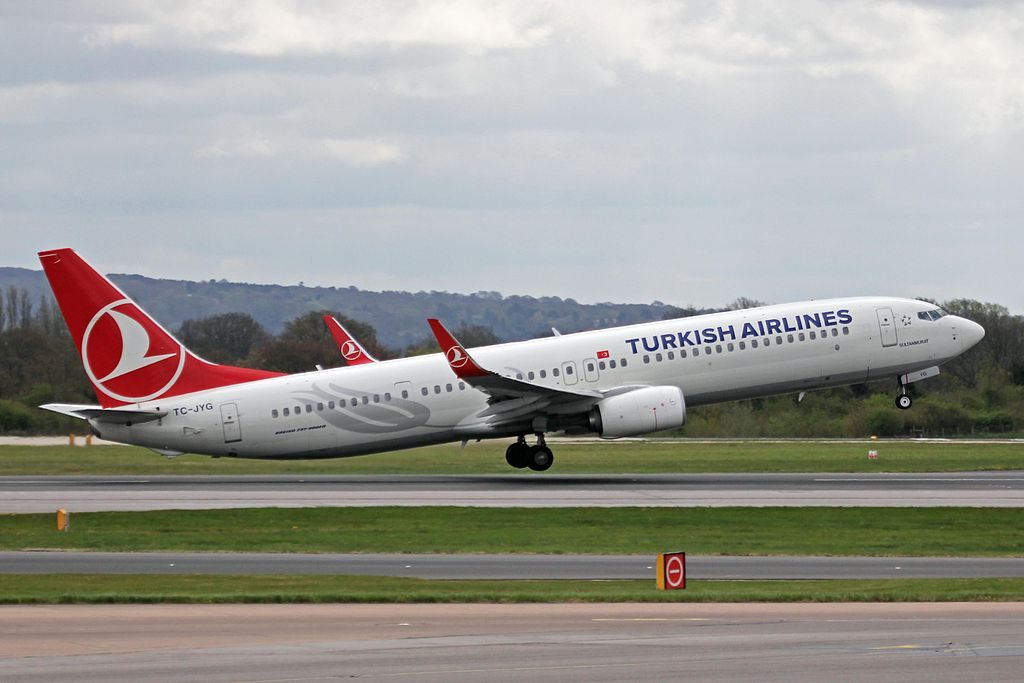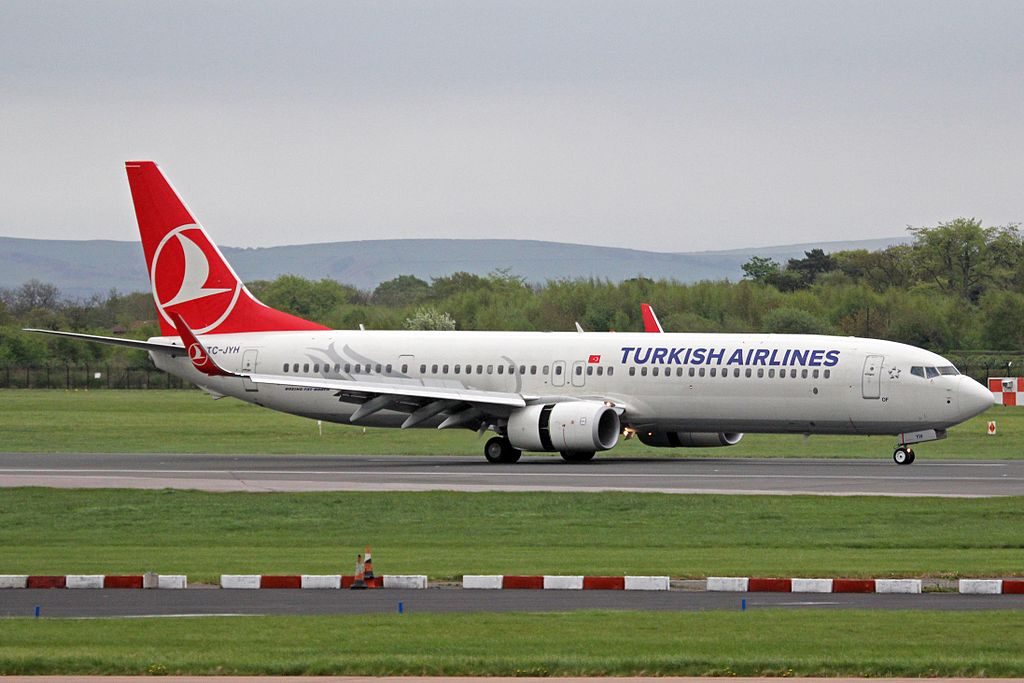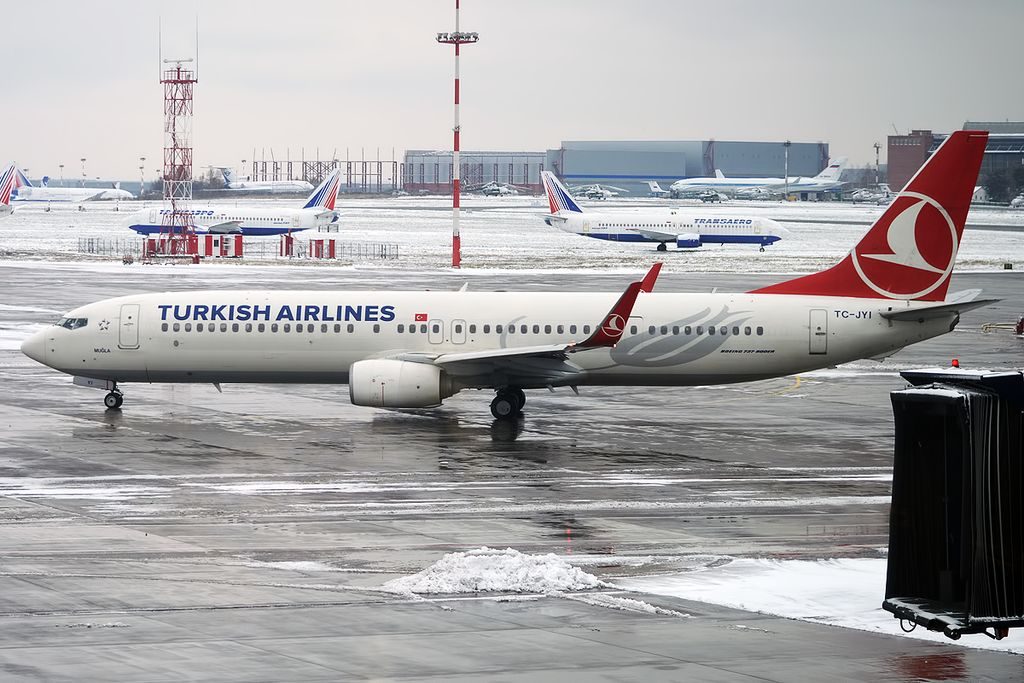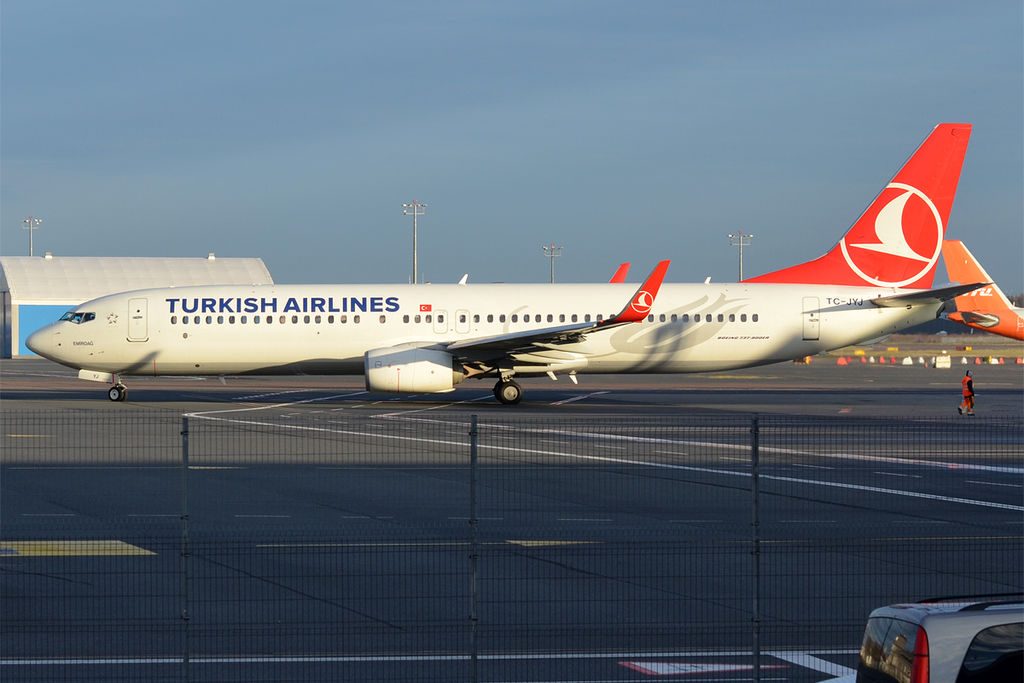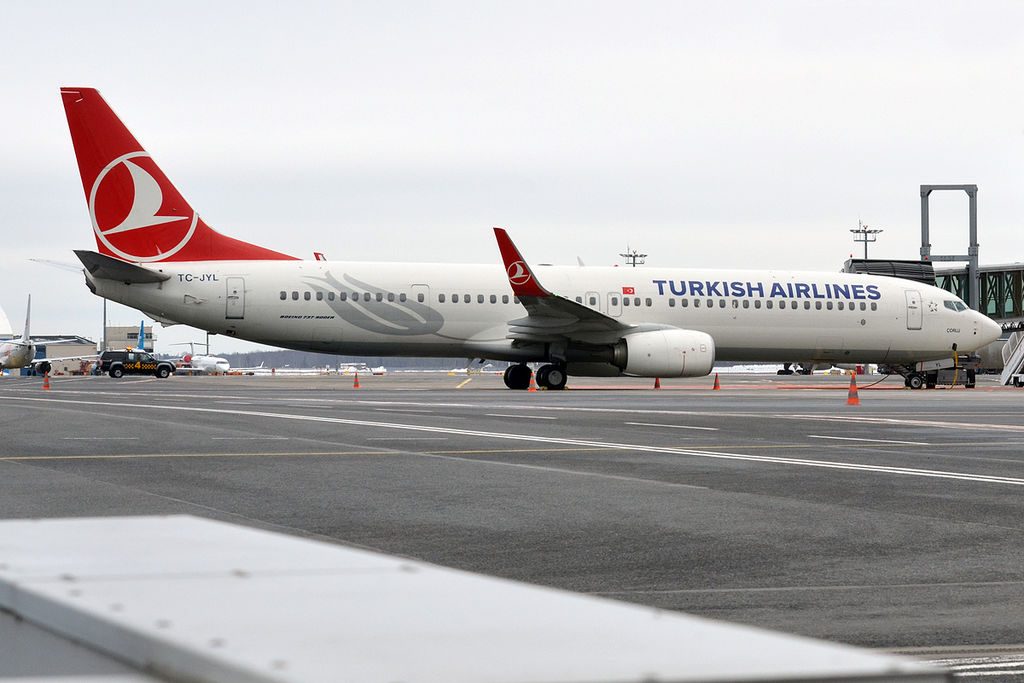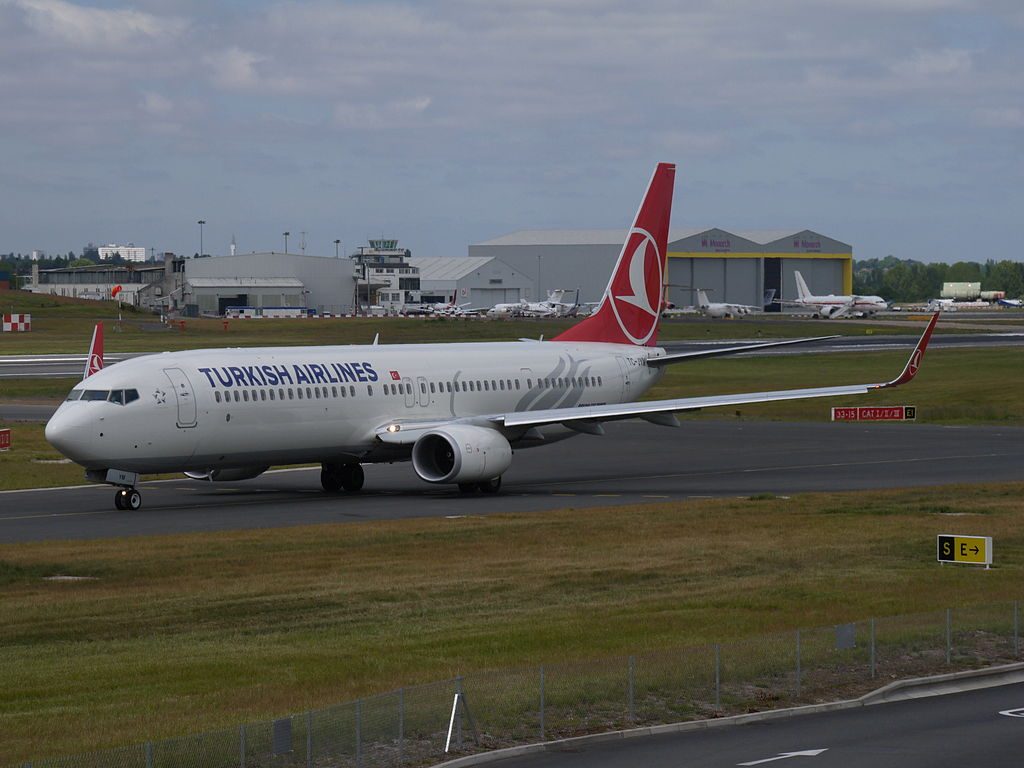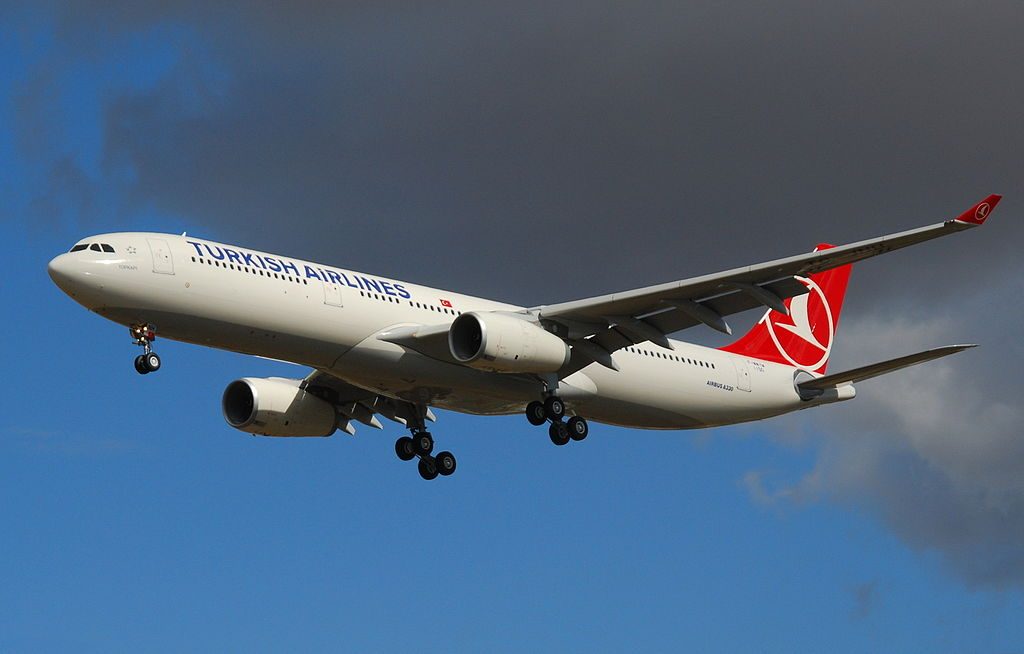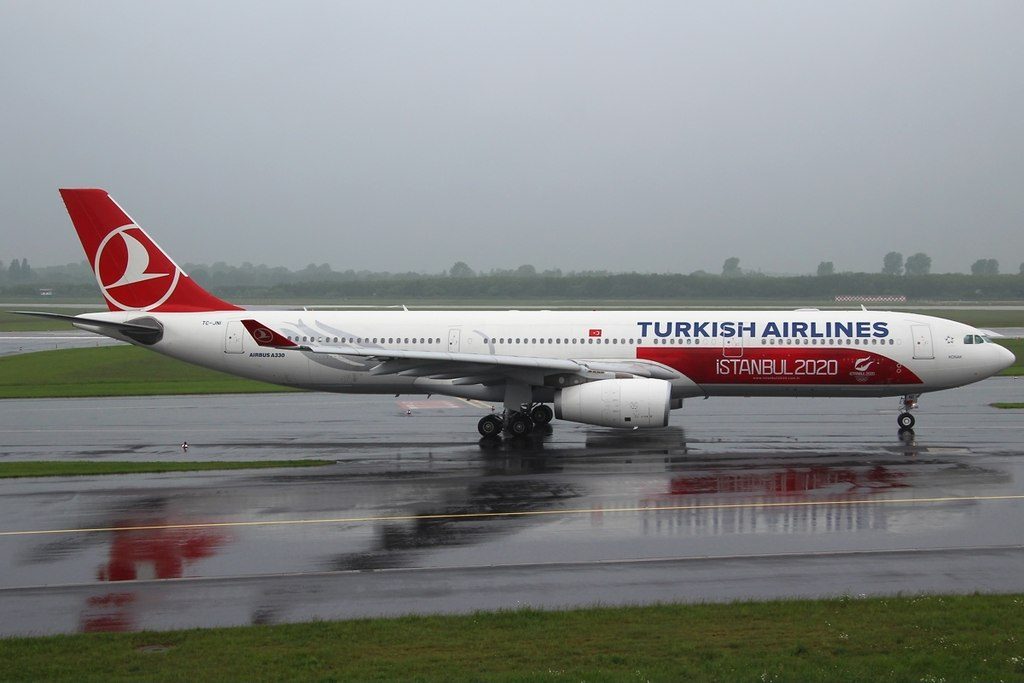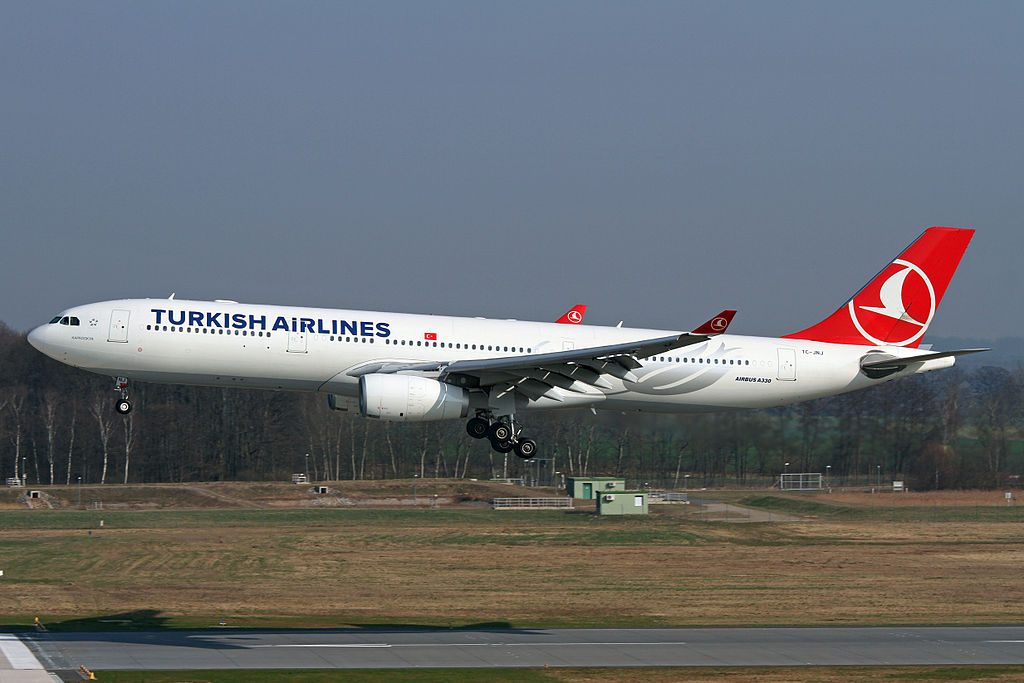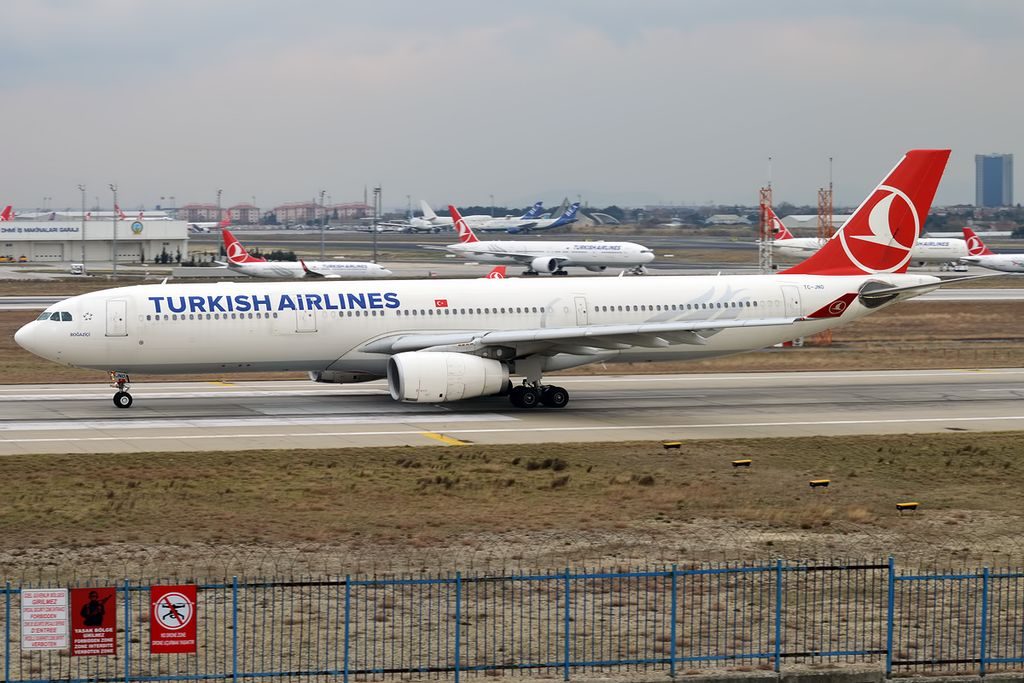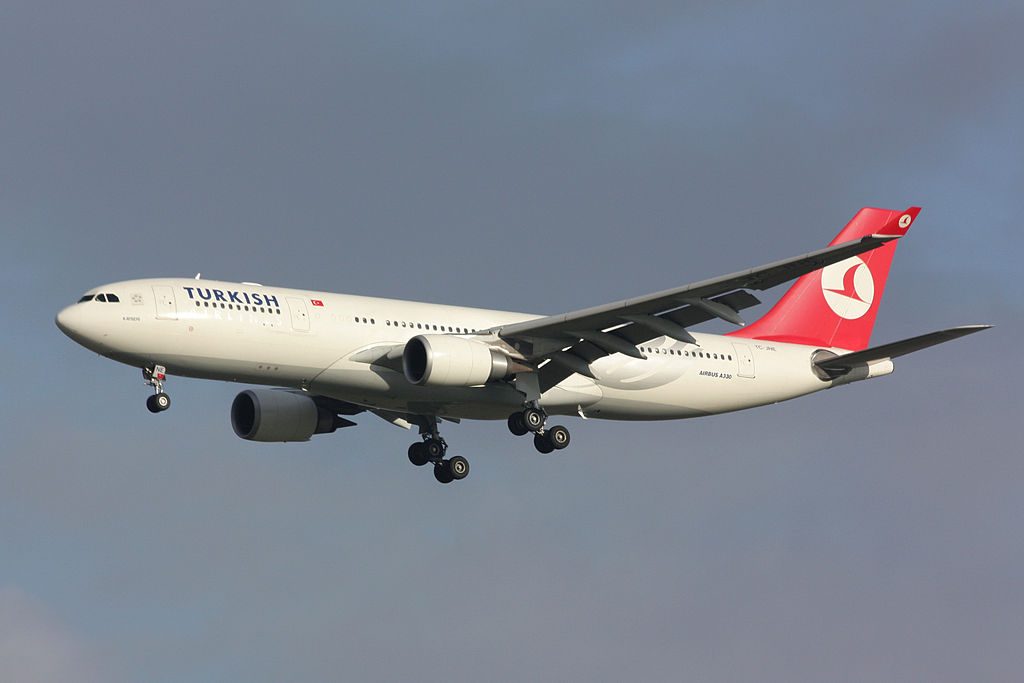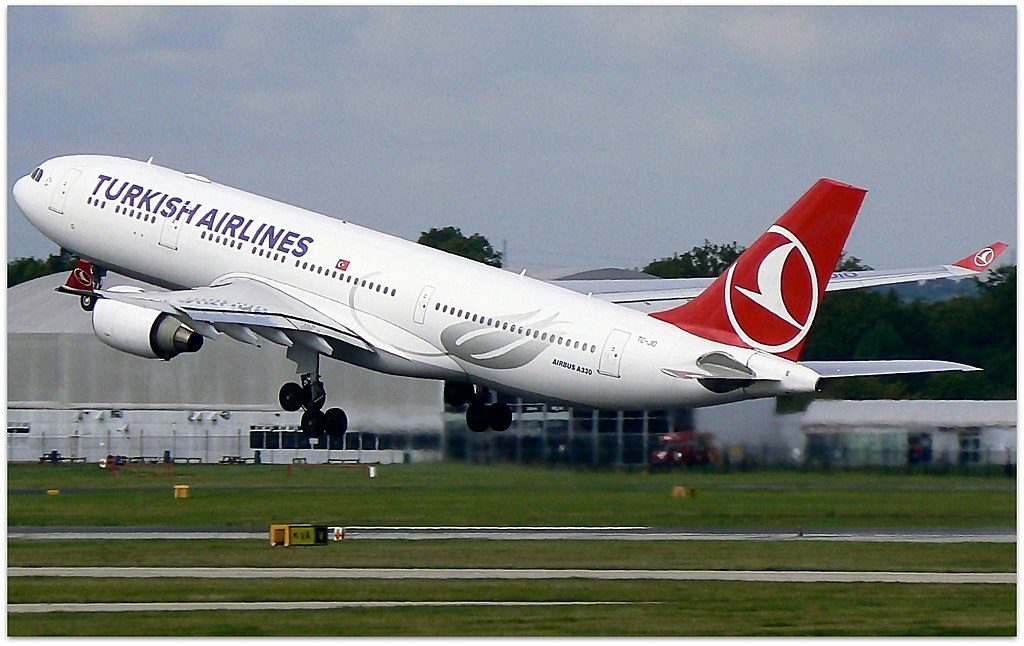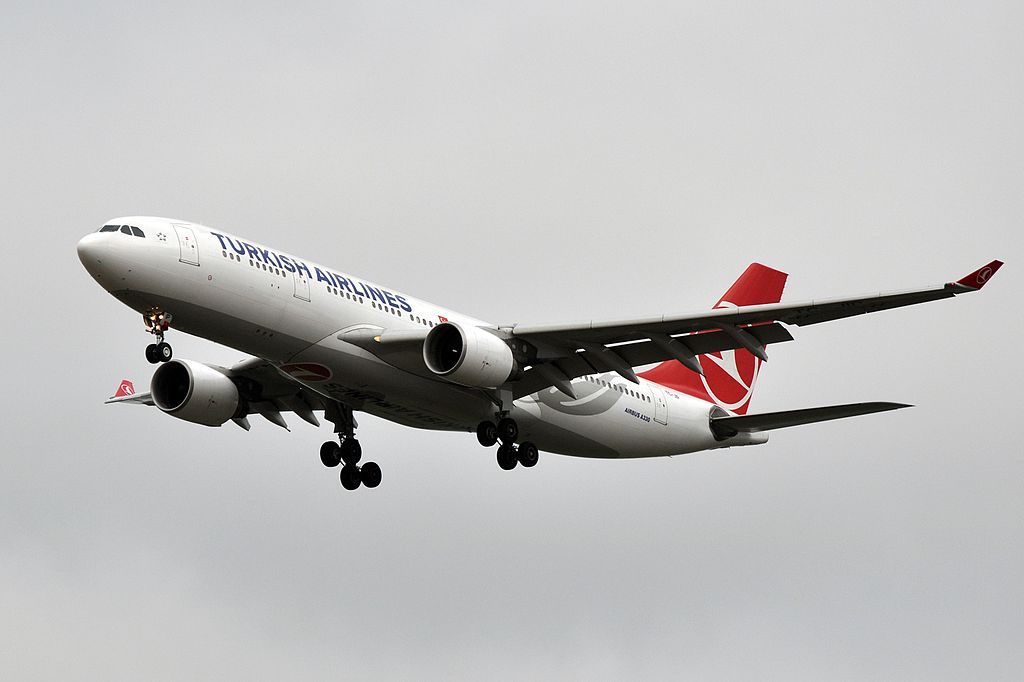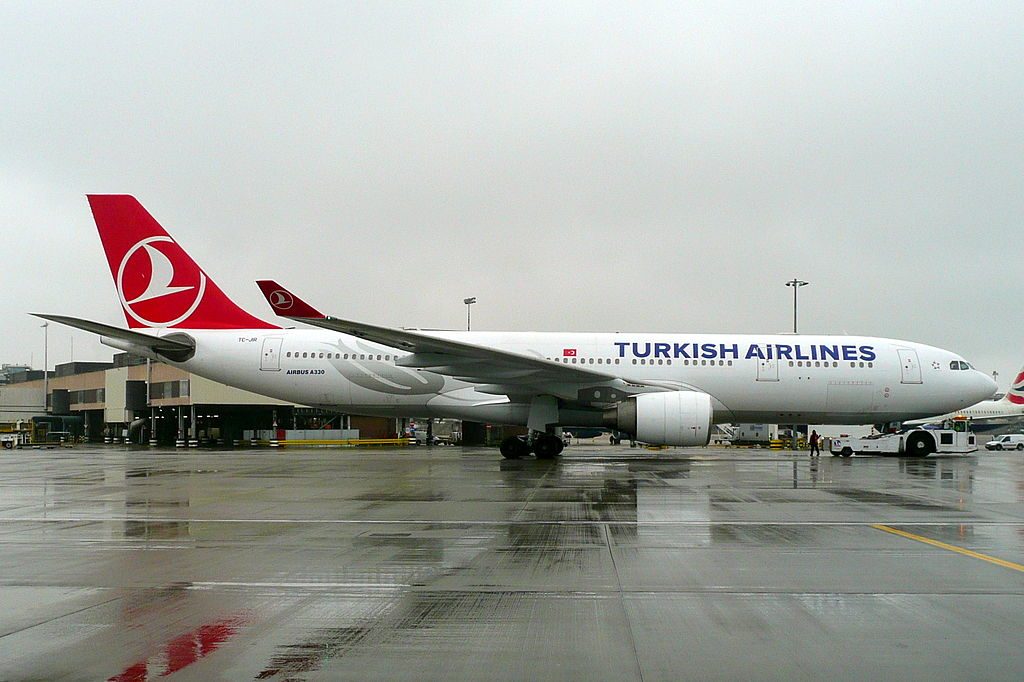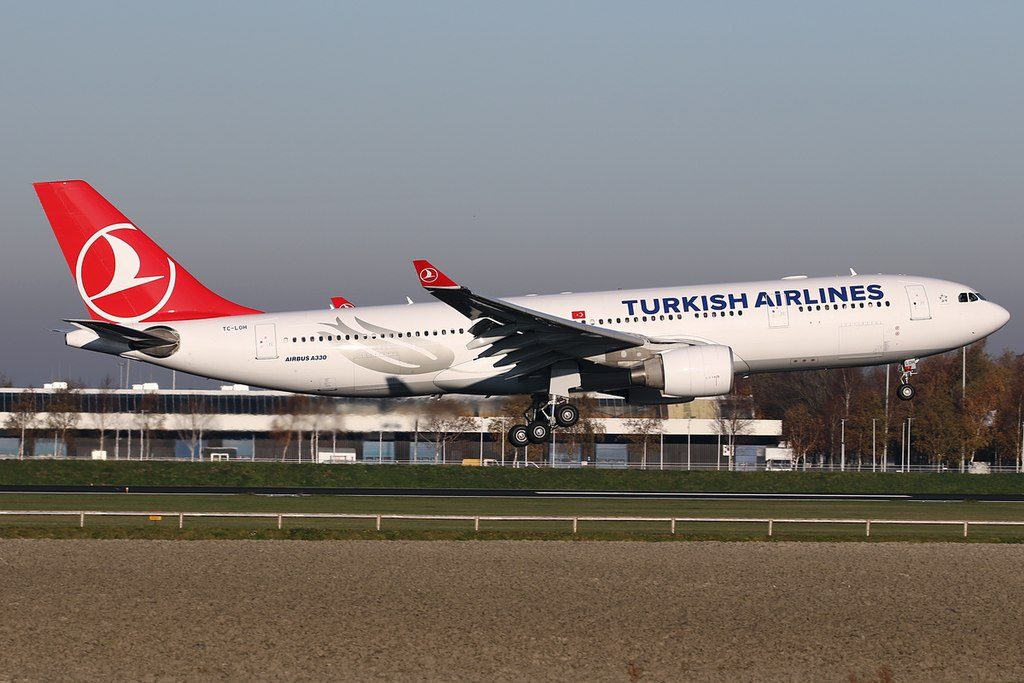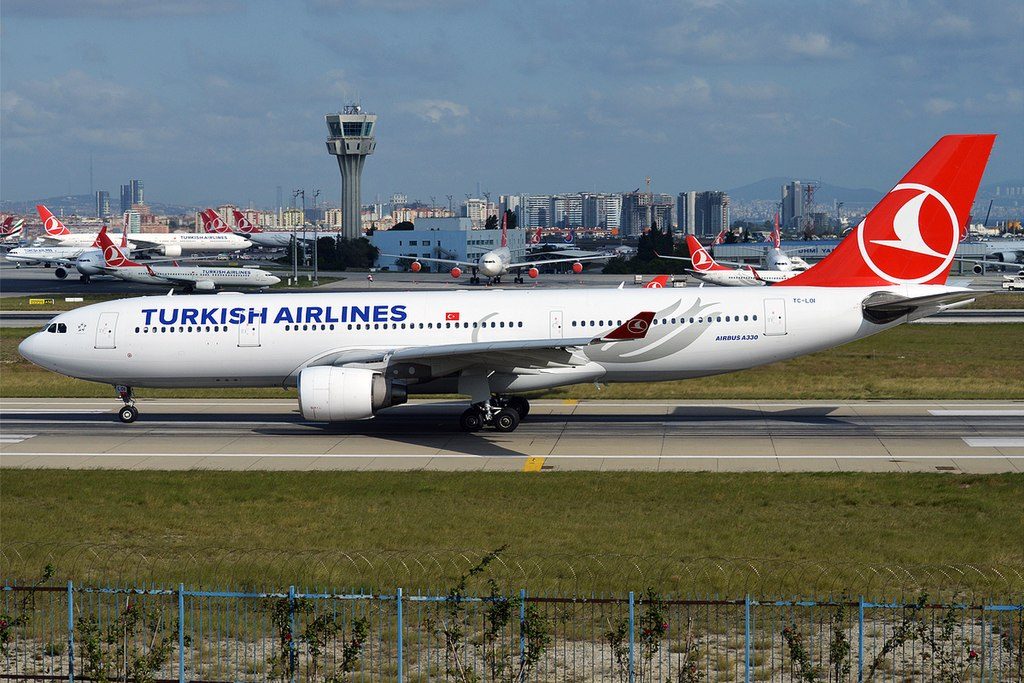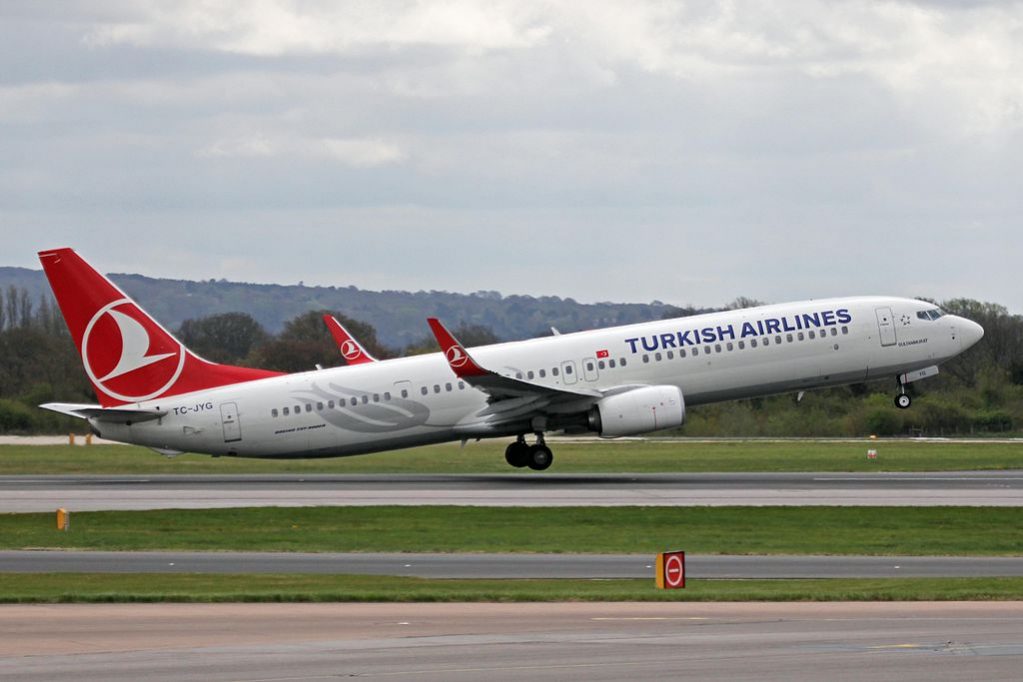
Turkish Airlines Fleet Boeing 737-900ER Details and Pictures

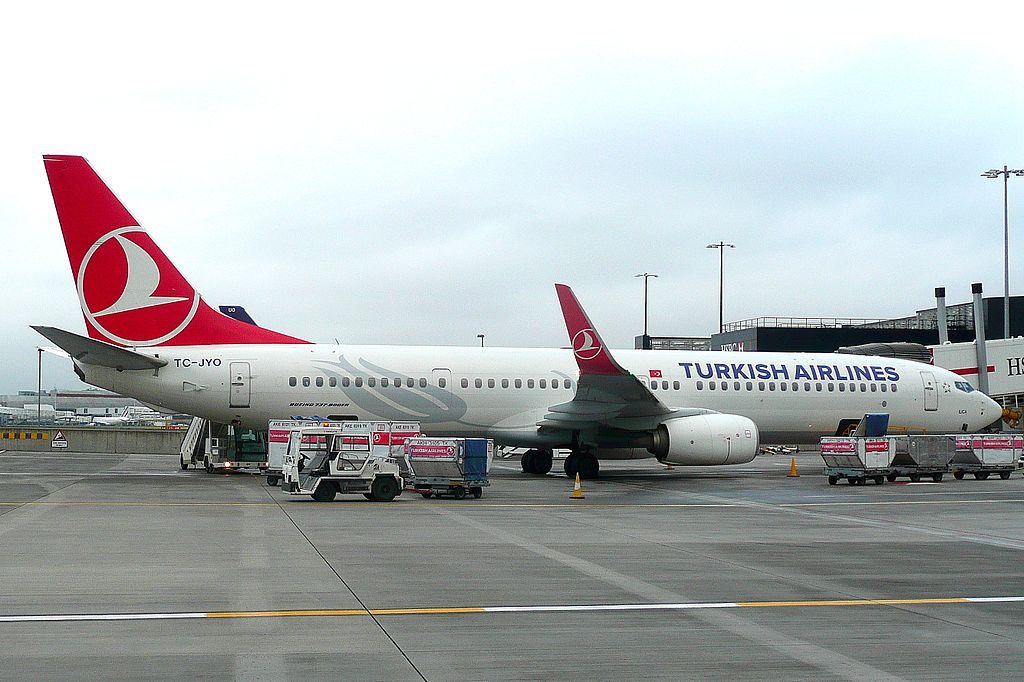
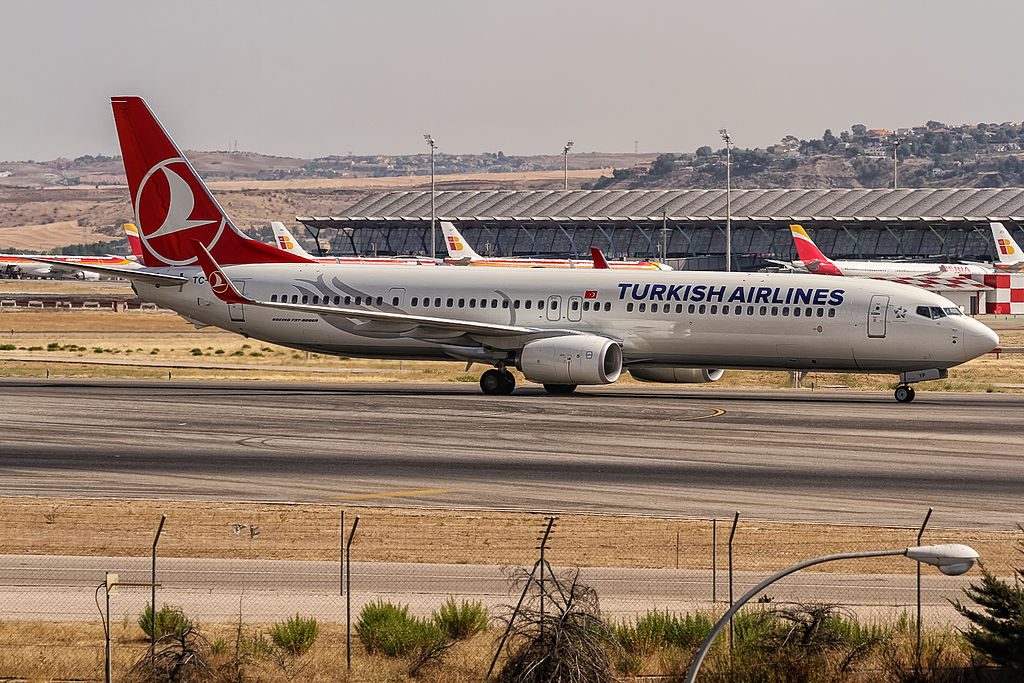
TC JYG Boeing 737 9F2ERW Ünye of Turkish Airlines at Manchester Airport

Turkish Airlines Fleet Boeing 737-900ER Details and Pictures. Turkish Airlines operated 15 narrow-body aircraft Boeing 737-900ER.

B737-900ER is largest version from 737 Next-Gen family (737-700, 737-800, 737-900).

Program of Boeing 737-900ER began on July 18th 2005 after receiving order for 30 airplanes from Indonesian company Lion Air.

First flight airplane has made on September 1st 2006.

Certification process was finished on April 20th 2007.

First delivery of Boeing 737-900ER to Lion Air company was made on April 27th 2007 but on May 1st the airplane has made first commercial flight.

At present moment only Boeing 737-900ER is constructed.

Airplanes Boeing 737-900ER may accommodate from 180 to 215 passengers depending on the seats’ configuration and pitch.

As compared to the earlier versions of Boeing 737-900ER in next versions number of passenger seats was increased up to 215 thanks to 2 additional emergency exits.

Besides, have been increased flying range of the airplane and maximal take-off weight.
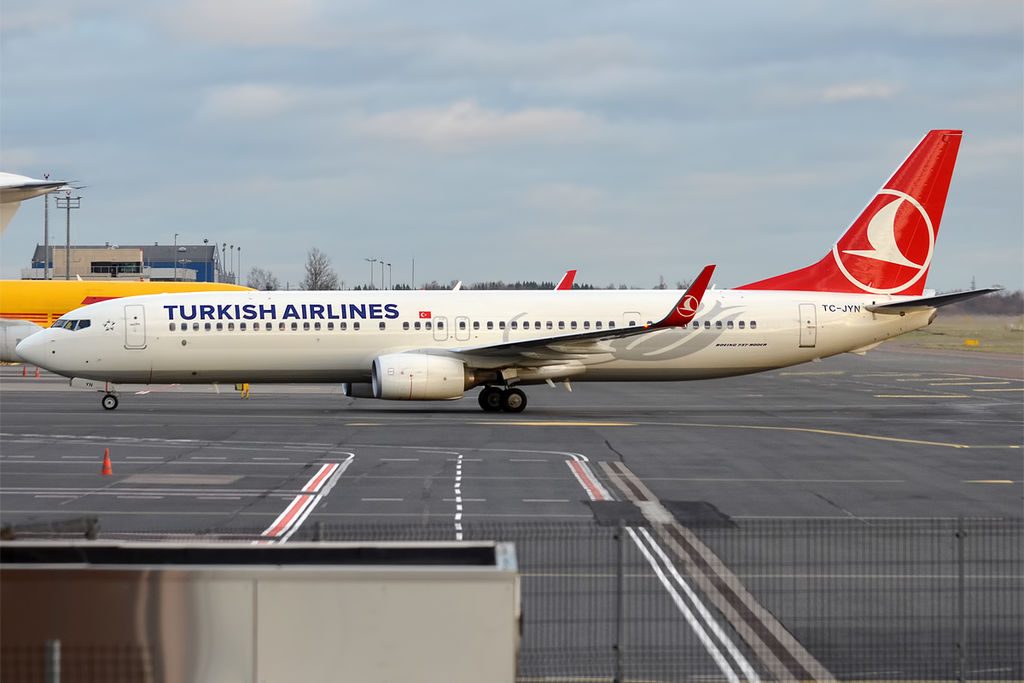
Turkish Airlines TC JYN Boeing 737 9F2ER Kanlıca at Tallinn Airport

Boeing 737-900ER Turkish Airlines Aircraft Fleet Data and Registration Number

Aircraft TypeRegDeliveredName
Boeing 737-9F2(ER)(WL)TC-JYA9 Dec 2011Selçuk
Boeing 737-9F2(ER)(WL)TC-JYB9 Dec 2011Denizli
Boeing 737-9F2(ER)(WL)TC-JYC24 May 2012Ereğli
Boeing 737-9F2(ER)(WL)TC-JYD28 Jun 2012Bayburt
Boeing 737-9F2(ER)(WL)TC-JYE19 Jul 2012Tuz Gölü
Boeing 737-9F2(ER)(WL)TC-JYF20 Sep 2012Çırağan
Boeing 737-9F2(ER)(WL)TC-JYG21 Sep 2012Ünye
Boeing 737-9F2(ER)(WL)TC-JYH18 Oct 2012Of
Boeing 737-9F2(ER)(WL)TC-JYI8 Nov 2012Muğla
Boeing 737-9F2(ER)(WL)TC-JYJ14 Mar 2013Emirdağ
Boeing 737-9F2(ER)(WL)TC-JYL18 Feb 2015Çorlu
Boeing 737-9F2(ER)(WL)TC-JYM5 Mar 2015İnceburun
Boeing 737-9F2(ER)(WL)TC-JYN30 Apr 2015Kanlıca
Boeing 737-9F2(ER)(WL)TC-JYO11 May 2015Ilıca
Boeing 737-9F2(ER)(WL)TC-JYP10 Jul 2015Çatalca

Turkish Airlines Fleet Boeing 737-900ER Cabin Interior Class Configuration and Seats Layout

Turkish Airlines operates 2 versions of Boeing 737-900ER.

First version of Turkish Airlines 737-900ER features 16 Business class recliner seats and 135 seats in Economy.

Second version of Turkish Airlines 737-900ER features 16 Business class recliner seats and 153 seats in Economy.

Business class on the 737-900ER is four rows in a 2-2 configuration.

The seats are not lie-flat, but offer generous recline and a legrest that is actually useful.

Legroom is also generous (43″ pitch).

Seat adjustments are manually controlled.

Each seat is also equipped with a universal power outlet and USB port.

Seat Map and Seating Chart Boeing 737-900ER V1 Turkish Airlines
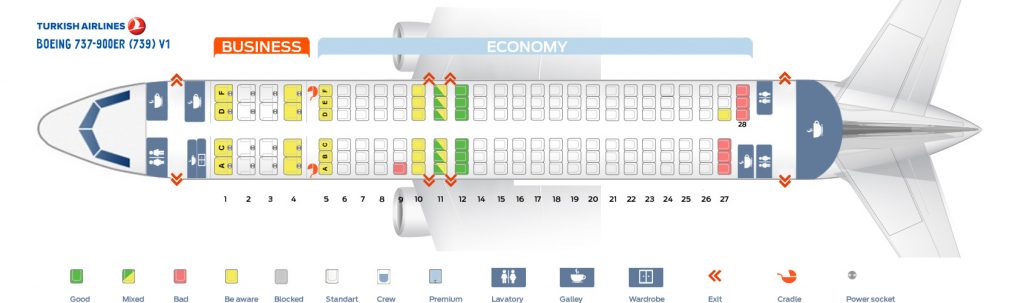
Seat Map and Seating Chart Boeing 737 900ER V1 Turkish Airlines

First version of Boeing 737-900ER is the most common in among two versions operated by Turkish Airlines.

This airplane may transport 151 passengers: 16 in business class and 135 in economy class.

Business class seats are located in first 4 rows and have 2-2 configuration.

The seats of the 1st row have limited legroom, have no floor storage during take-off and landing and are a little narrower than standard as the tray tables are in the armrests making them immovable.

The only disadvantage of the seats of the 4th row is location of more crowded economy class behind.

Economy class seats are located in 23 rows: 22 of them have 3-3 configuration and the last row contains 3 seats.

Because of the position of the bulkhead the seats of the 5th row have less space for passengers’ legs.

For passengers traveling with babies these seats offer bassinet locations.

Missing window is the main disadvantage of the seat 9A.

Due to the exit row located behind the seats of the 10th row are not reclining.

Passengers of the seats of the 11th row will take advantage of extra legroom.

However, these seats do not recline, are narrower than standard and have no floor storage during take-off and landing.

The best seats of the economy class are considered the seats of the 12th row.

These seats offer additional space for passengers’ legs.

But these seats are a little narrower than standard and have no floor storage during take-off and landing.

Location of the galley and lavatories behind will cause inconvenience to passengers of the seats 27ABC, 27D and 27DEF.

Because of the curvature of the airplane the seats 27ABC and 27DEF are a little narrower and less reclining than standard.

Seat Map and Seating Chart Boeing 737-900ER V2 Turkish Airlines
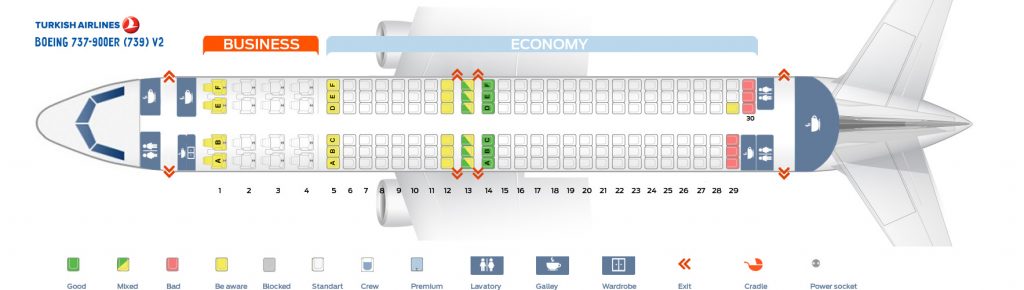
Seat Map and Seating Chart Boeing 737 900ER V2 Turkish Airlines

Second version of Boeing 737-900 offers 169 seats in two classes.

Business class consists of 16 recliner seats.

All these seats are standard, only the seats of the 1st row have limited space for passengers’ legs due to position of the bulkhead.

Among other disadvantages: location of the galley and lavatory in front, lack of floor storage during take-off and landing and slightly reduced width.

Economy class consists of 153 seats.

The major part of the seats have 3-3 configuration.

Because of position of the bulkhead the seats of the 5th row have less space for passengers’ legs.

Also, these seats have no floor storage during take-off and landing and are narrower than standard because the tray tables are built-in the armrests making them immovable.

Due to location of the exit row behind the seats of the 12th row have limited legroom.

As the seats of the 13th row are located between two exit rows, they have extra legroom but also are less reclining and have no floor storage during take-off and landing.

Passengers of the seats of the 14th row will take advantage of extra space for their legs.

The only disadvantage is lack of floor storage during take-off and landing.

The noise from the galleys and lavatories located behind will cause discomfort to passengers of the seats 29ABC, 29D and 30DEF.

In addition the seats 29ABC and 30DEF have limited recline that is why these seats are considered bad seats.

Boeing 737-900ER Turkish Airlines Aircraft Fleet Inflight Amenities and On-Board Services Information

  • Audio. Turkish Airlines offers a wide variety of radio stations and audio CDs.
    More Information
  • Video. Each seat is equipped with a personal TV with Audio and Video on Demand.
    More Information
  • AC Power. 110v AC power ports are available in the Business Class.
  • Food. Turkish Airlines serves complimentary meals, alcoholic beverages, and soft drinks.
    More Information

Turkish Airlines Aircraft Fleet Narrow-Body Boeing 737-900ER Images Gallery

Thanks to visiting AirlinesFleet.com and read article : Turkish Airlines Fleet Boeing 737-900ER Details and Pictures.
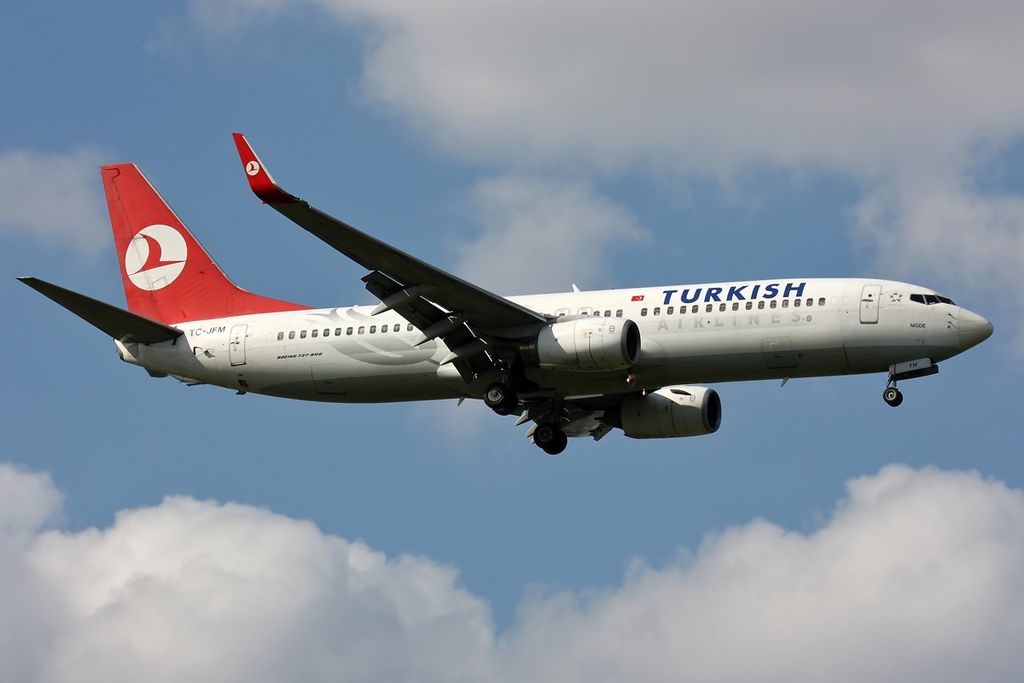
Turkish Airlines Fleet Boeing 737-800 Details and Pictures

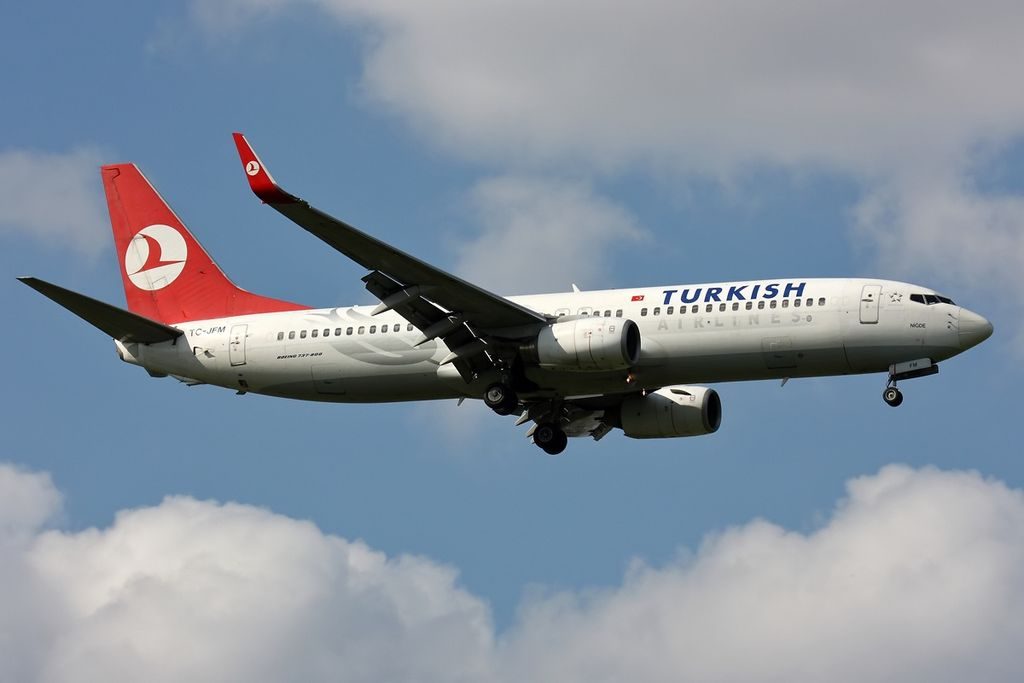
TC JFM Boeing 737 8F2wl Kavacık Turkish Airlines at Pulkovo Airport

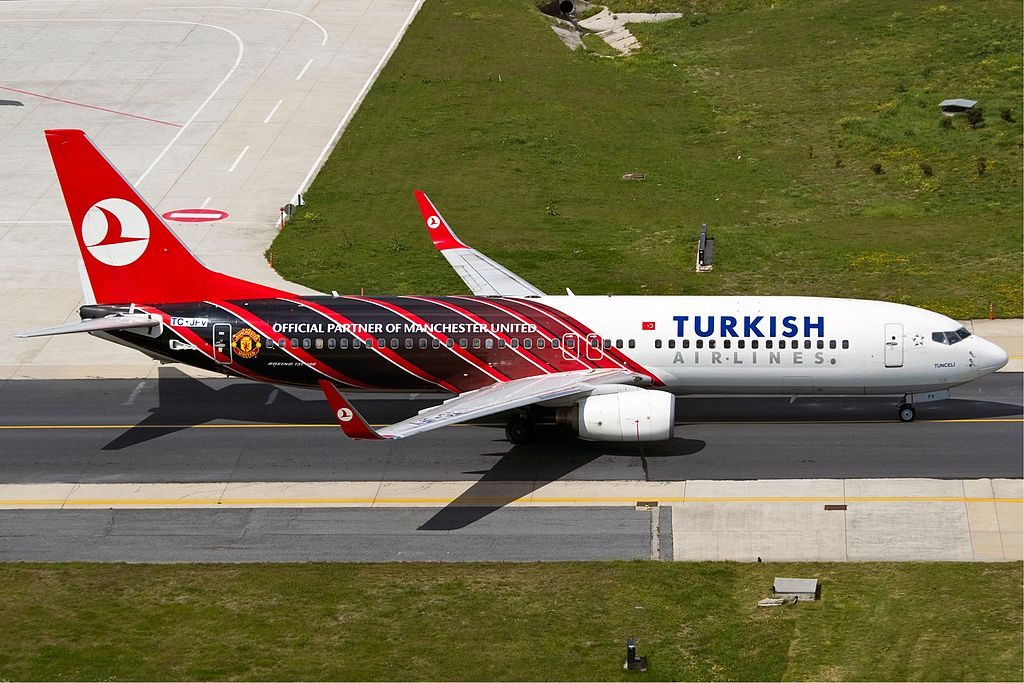
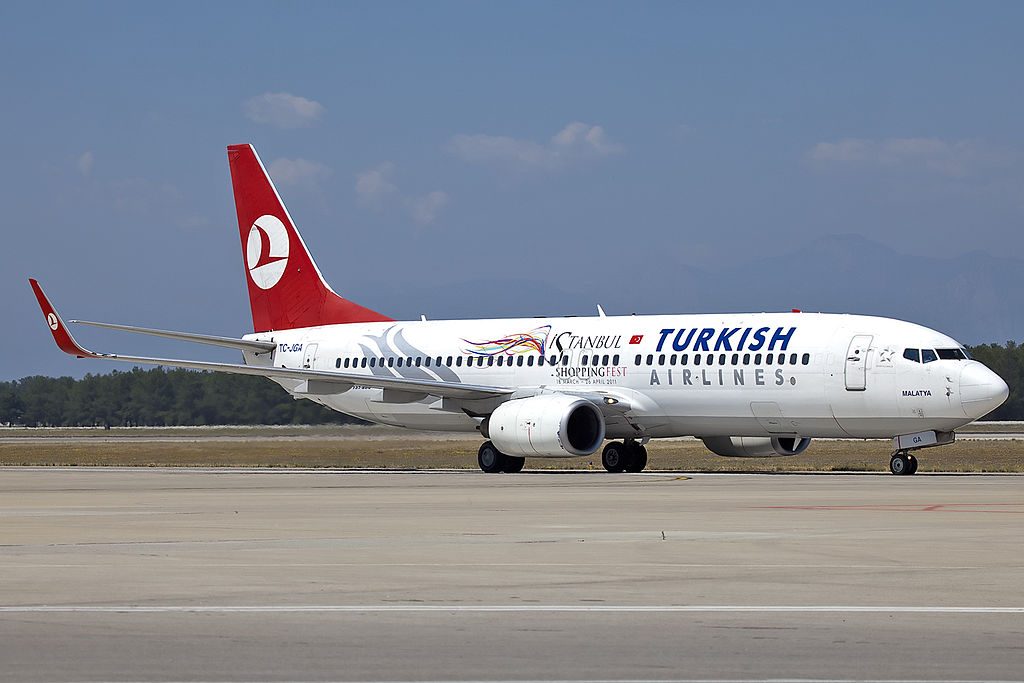
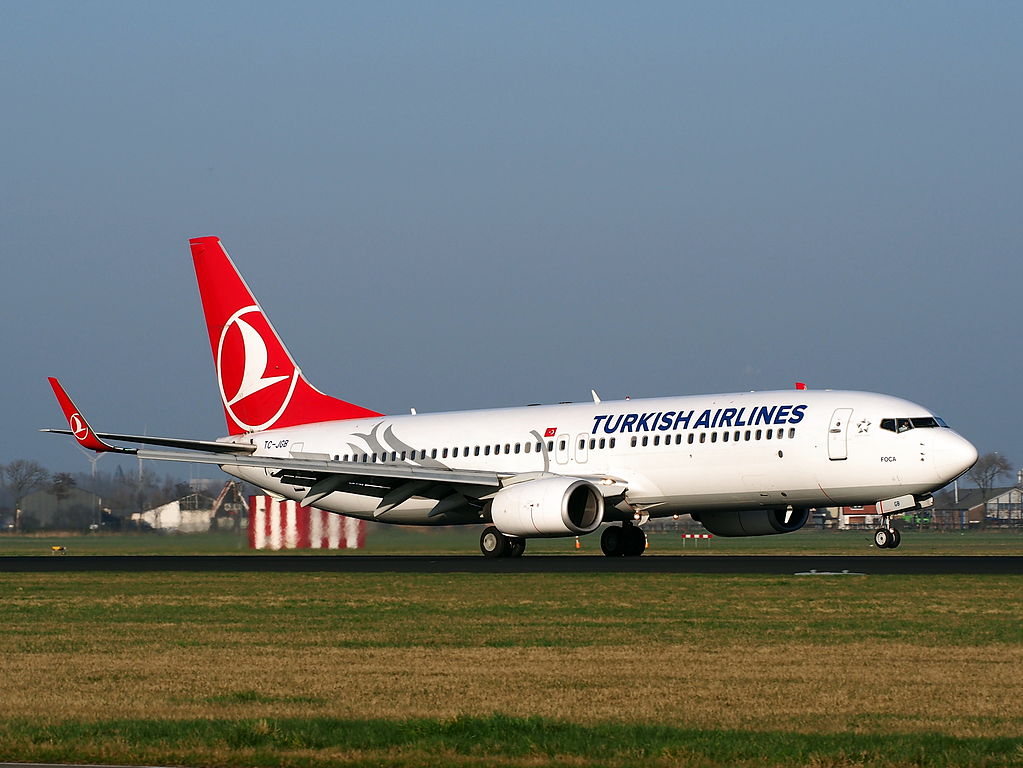
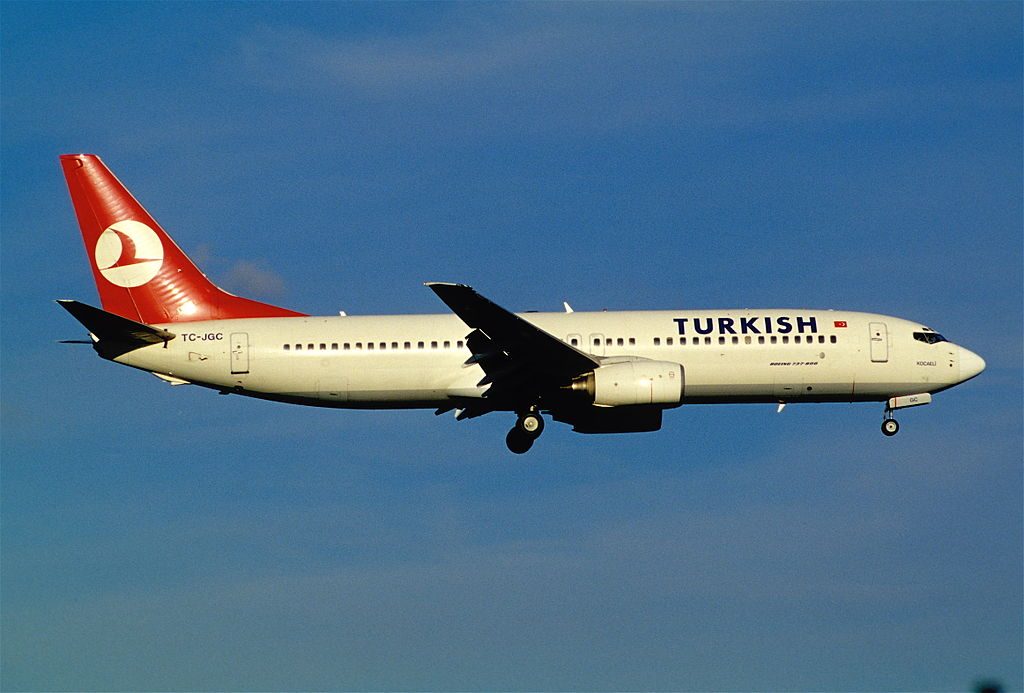
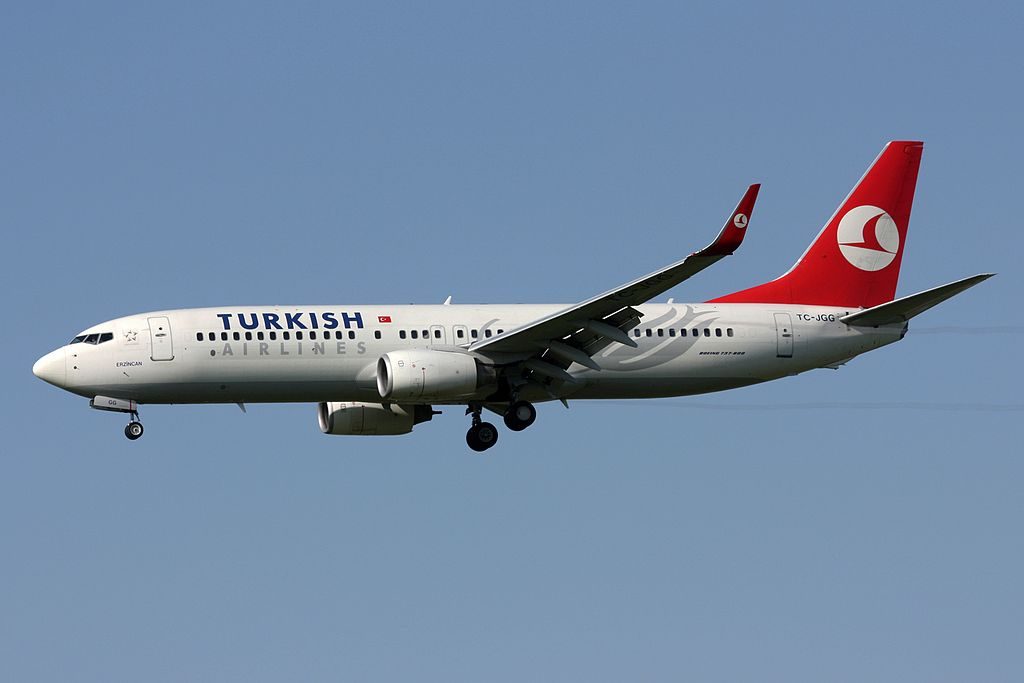
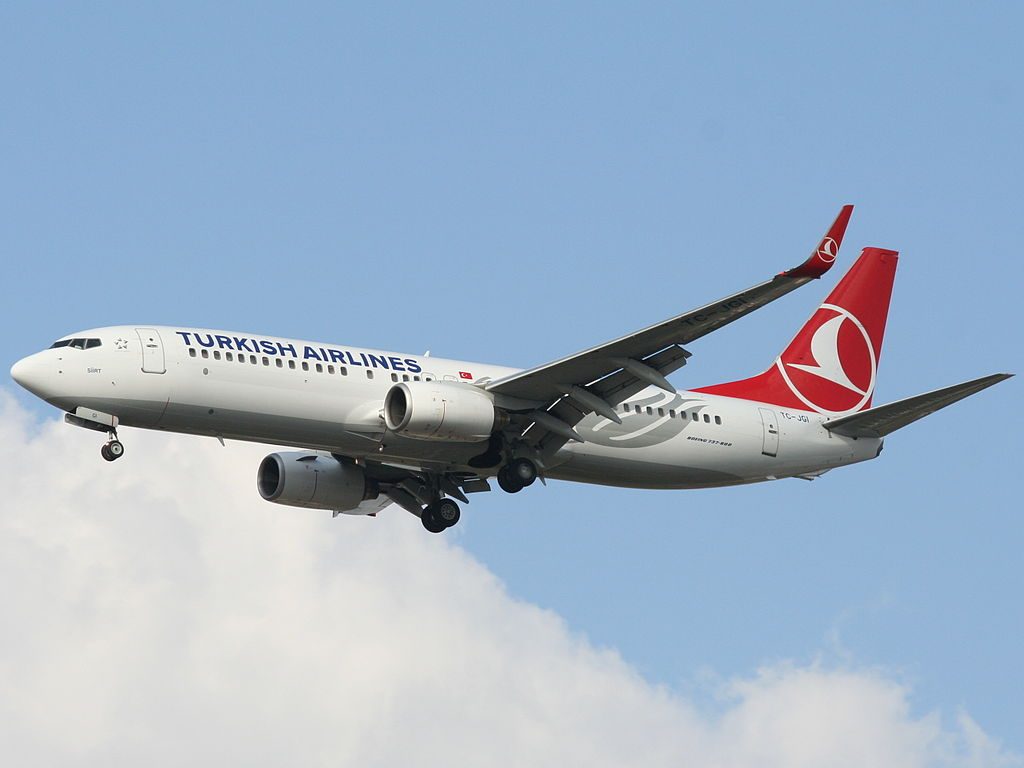
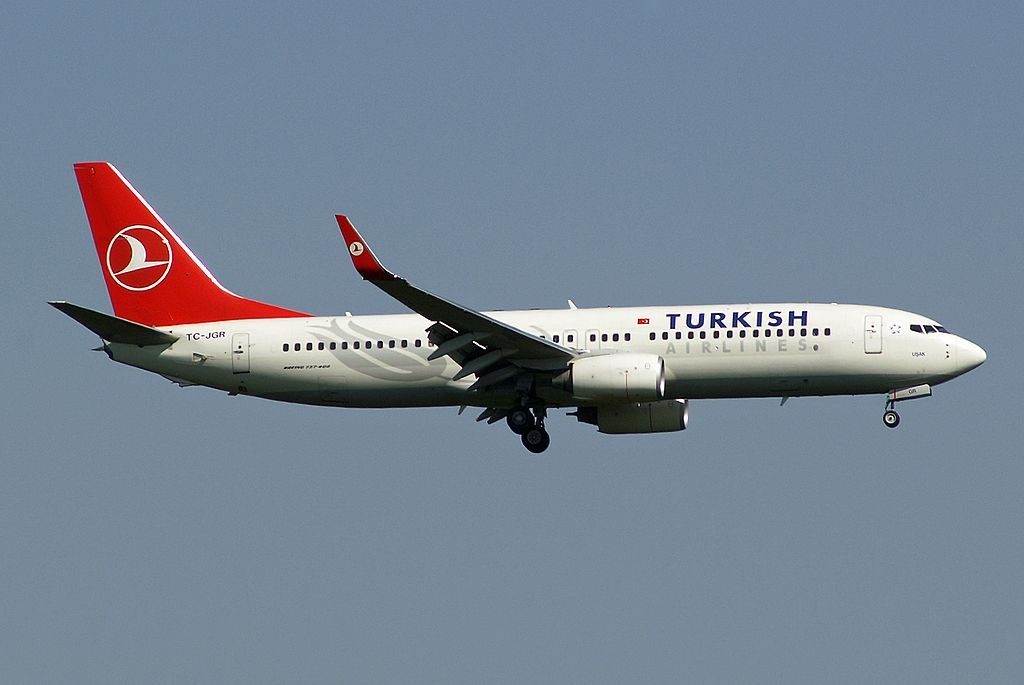
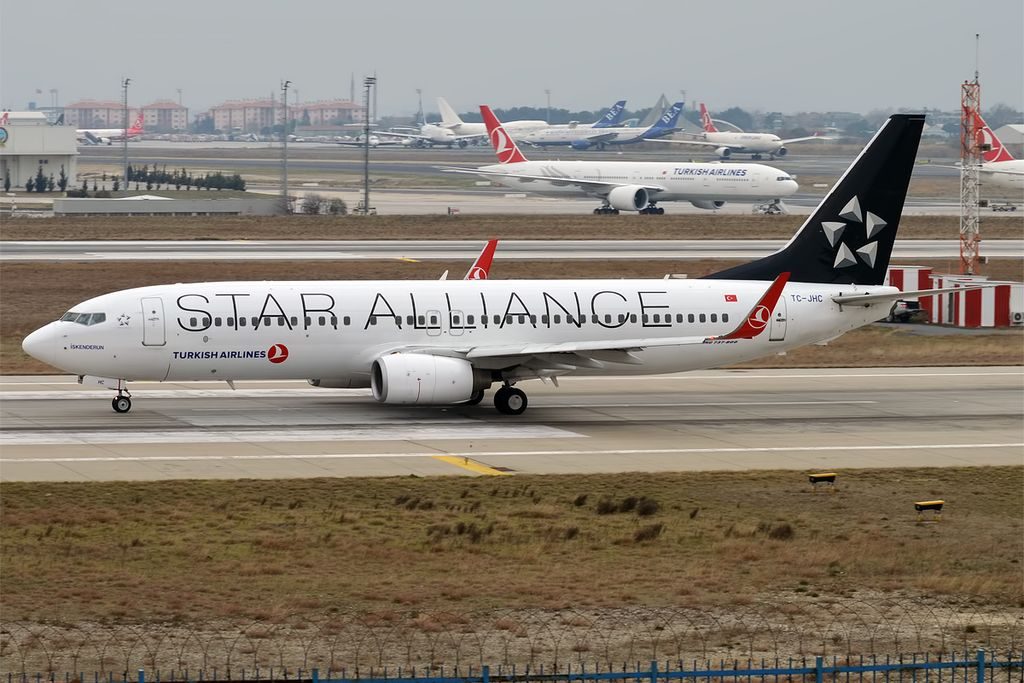
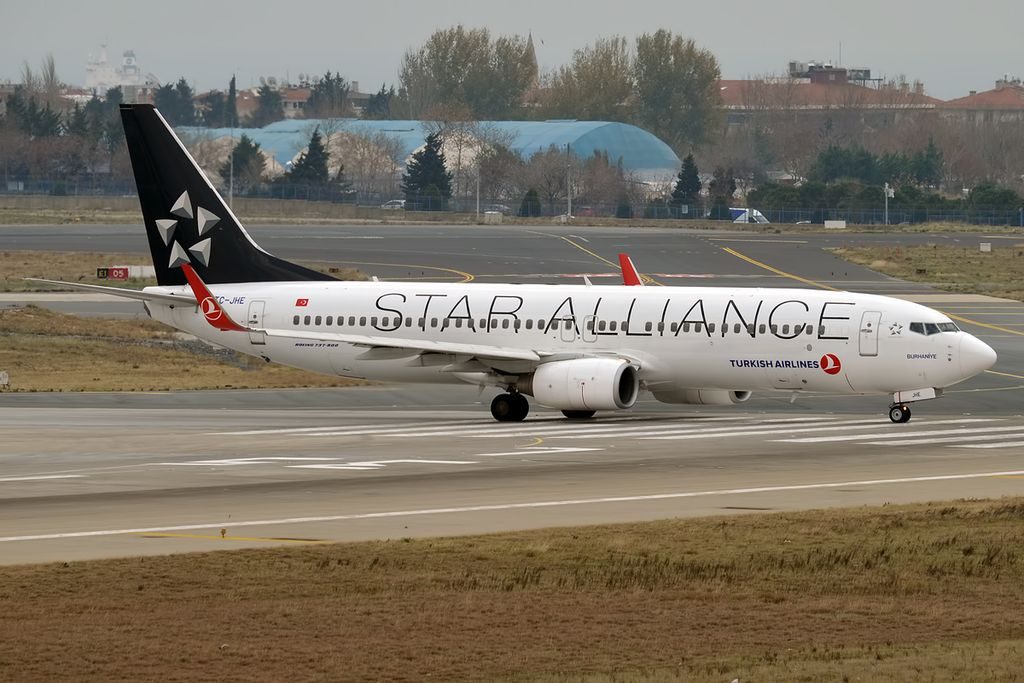
Turkish Airlines Fleet Boeing 737-800 Details and Pictures. On current fleet, Turkish Airlines operated 63 narrow-body aircraft Boeing 737-800.
Two-engine passenger airplane Boeing 737-800 belongs to the family of narrow-bodied airplanes intended for short and medium airline directions and belong to Next Generation family (737-700, 737-800, 737-900).

First of all Boeing 737-800 was constructed to replace passenger airplane Boeing 737-400 that belongs to Classic series.

For today direct competitor of Boeing 737-800 is passenger, narrow-bodied airplane Airbus A320.

Work over the aircraft Boeing 737-800 began on September 5th 1994.

First the project was called 737-400X Stretch which has indicated on the airplane-predecessor. Later the project got present designation 737-800.

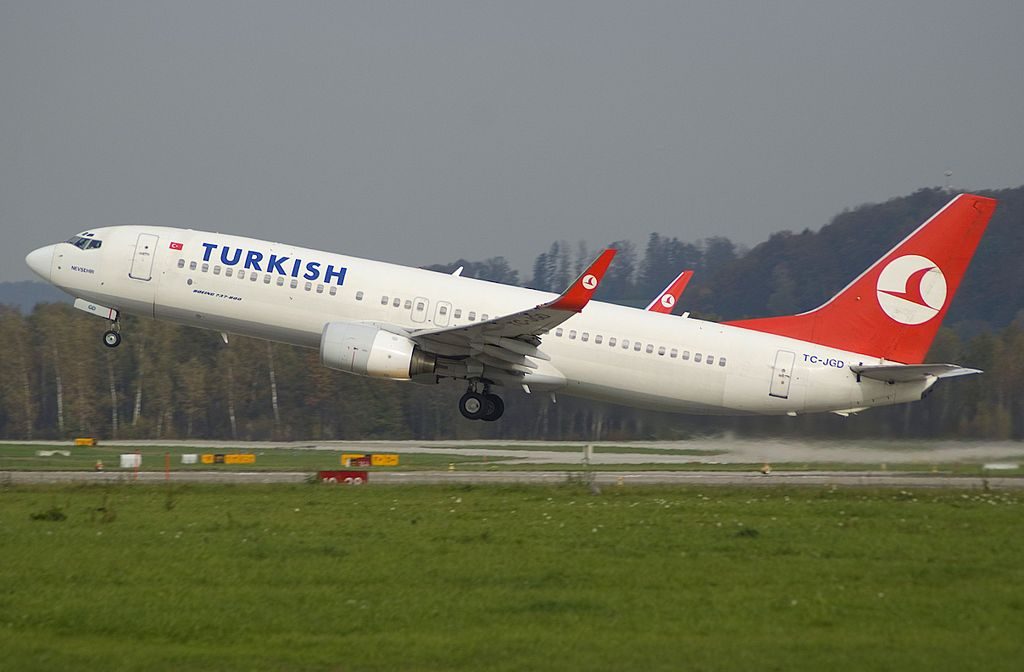
Turkish Airlines Boeing 737 800 TC JGD Nevşehir at Zurich International Airport ZRH

Boeing 737-800 Turkish Airlines Aircraft Fleet Data and Registration Number

Aircraft TypeRegAge
Boeing 737-8F2(WL)TC-JHM6.7 years
Boeing 737-8F2(WL)TC-JGS12.5 years
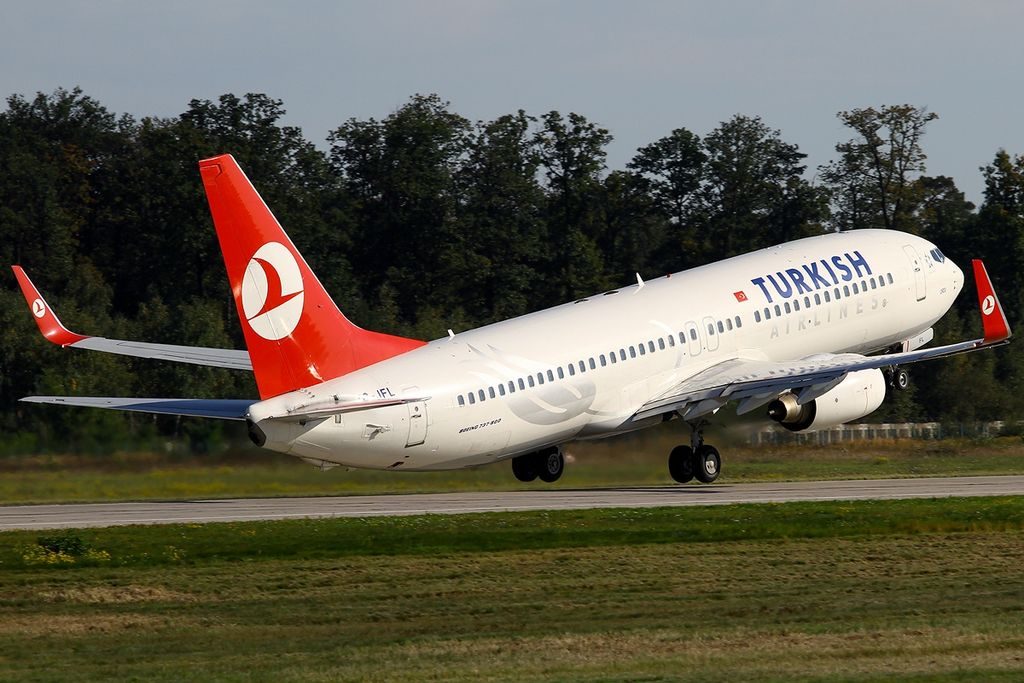
Boeing 737-8F2(WL)TC-JFL19.7 years
Boeing 737-8F2(WL)TC-JHD10.3 years
Boeing 737-8F2(WL)TC-JHE10.1 years
Boeing 737-8F2(WL)TC-JFV18.9 years
Boeing 737-8F2(WL)TC-JHK7.2 years
Boeing 737-8F2(WL)TC-JFM19.7 years
Boeing 737-8F2(WL)TC-JGA18.7 years
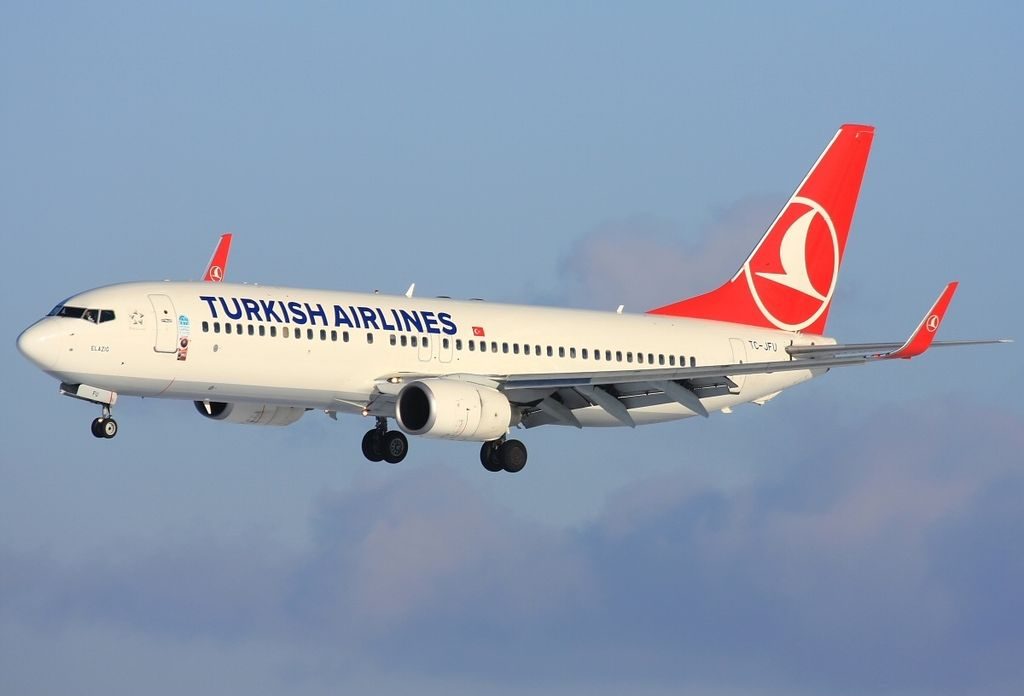
Boeing 737-8F2(WL)TC-JFU19.0 years
Boeing 737-8F2(WL)TC-JGT12.5 years
Boeing 737-8F2(WL)TC-JGB18.7 years
Boeing 737-8F2(WL)TC-JGY10.7 years
Boeing 737-8F2(WL)TC-JGR12.5 years
Boeing 737-8F2(WL)TC-JGG13.1 years
Boeing 737-8F2(WL)TC-JHB10.5 years
Boeing 737-8F2(WL)TC-JGD17.9 years
Boeing 737-8F2(WL)TC-JHC10.4 years
Boeing 737-8F2(WL)TC-JGU12.4 years
Boeing 737-8F2(WL)TC-JGI12.9 years
Boeing 737-8F2(WL)TC-JGZ10.6 years
Boeing 737-8F2(WL)TC-JGV12.4 years
Boeing 737-8F2(WL)TC-JGC17.9 years
Boeing 737-8F2(WL)TC-JHL7.1 years
Boeing 737-8F2(WL)TC-JHA10.5 years
Boeing 737-8F2(WL)TC-JHF10.1 years
Boeing 737-8F2(WL)TC-JHU5.7 years
Boeing 737-8F2(WL)TC-JVA4.8 years
Boeing 737-8F2(WL)TC-JVD4.7 years
Boeing 737-8F2(WL)TC-JVB4.8 years
Boeing 737-8F2(WL)TC-JVI2.9 years
Boeing 737-8F2(WL)TC-JHO6.0 years
Boeing 737-8F2(WL)TC-JHP5.9 years
Boeing 737-8F2(WL)TC-JHN6.6 years
Boeing 737-8F2(WL)TC-JZF2.4 years
Boeing 737-8F2(WL)TC-JHT5.7 years
Boeing 737-8F2(WL)TC-JVT2.6 years
Boeing 737-8F2(WL)TC-JVY2.5 years
Boeing 737-8F2(WL)TC-JVU2.6 years
Boeing 737-8F2(WL)TC-JVK2.9 years
Boeing 737-8F2(WL)TC-JVP2.7 years
Boeing 737-8F2(WL)TC-JHY4.9 years
Boeing 737-8F2(WL)TC-JVN2.8 years
Boeing 737-8F2(WL)TC-JVO2.7 years
Boeing 737-8F2(WL)TC-JZH2.3 years
Boeing 737-8F2(WL)TC-JVV2.5 years
Boeing 737-8F2(WL)TC-JHS5.8 years
Boeing 737-8F2(WL)TC-JVR2.7 years
Boeing 737-8F2(WL)TC-JVC4.7 years
Boeing 737-8F2(WL)TC-JVL2.8 years
Boeing 737-8F2(WL)TC-JVF4.6 years
Boeing 737-8F2(WL)TC-JVG4.6 years
Boeing 737-8F2(WL)TC-JVH3.0 years
Boeing 737-8F2(WL)TC-JVM2.8 years
Boeing 737-8F2(WL)TC-JZG2.3 years
Boeing 737-8F2(WL)TC-JHR5.8 years
Boeing 737-8F2(WL)TC-JVJ2.9 years
Boeing 737-8F2(WL)TC-JHZ4.9 years
Boeing 737-8F2(WL)TC-JVE4.7 years
Boeing 737-8F2(WL)TC-JHV4.9 years
Boeing 737-8F2(WL)TC-JVZ2.5 years
Boeing 737-8F2(WL)TC-JZE2.4 years
Boeing 737-8F2(WL)TC-JVS2.7 years

Turkish Airlines Fleet Boeing 737-800 Cabin Interior Class Configuration and Seats Layout

Turkish Airlines adjusts the number of business class seats based on demand.

Therefore business class can have as little as no rows and as many as five.

This 737-800 is laid out 3-3 throughout and the business class was just the first three rows on this occasion.

The seat is extremely similar to BA’s Club Europe product, a blue leather armchair with a fixed tray table in the middle seat.

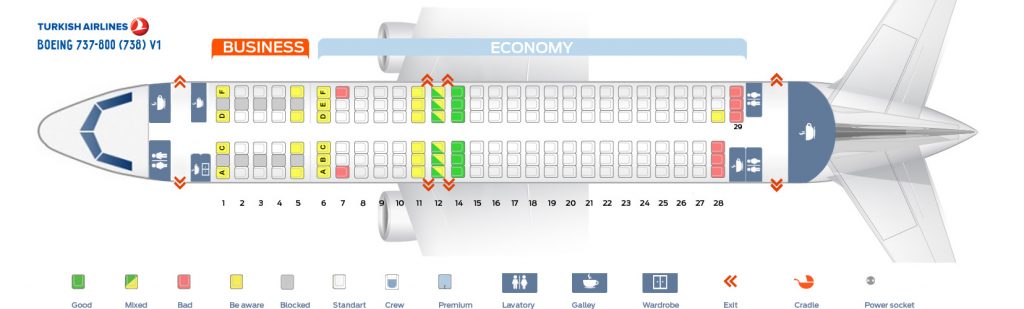
Seat Map and Seating Chart Boeing 737-800 V1 Turkish Airlines

Seat Map and Seating Chart Boeing 737 800 V1 Turkish Airlines

This airplane offers seats of two classes: business and economy.

Business class seats are the seats of first 5 rows on the airplane.

Each row contains 4 seats.

The middle seats are blocked.

So, passengers of business class have more space around.

Due to the bulkhead position the seats of the first row have less space for passengers legs.

Also, these seats have no floor storage during take-off and landing and are located close to the galleys the noise from which may cause discomfort.

Location of the more crowded economy class may cause discomfort to passengers of the seats of the 5th row.

Economy class may accommodate 135 passengers.

Major part of economy class seats have 3-3 configuration.

The seats of the 6th row are narrower than standard as the tray tables are built-in the armrests making them immovable.

Missing windows make the seats 7A and 7F bad seats.

Because of the exit row located behind the seats of the 11th row are not reclining.

As the seats of the 12th row are located between two exit rows, these seats on the one hand have extra legroom but on the other these seats have no recline.

Among other disadvantages: these seats have no floor storage during take-off and landing and are a little narrower than standard.

The best seats of the economy class are considered the seat of the 14th row.

Passengers of these seats will feel comfortable thanks to the extra legroom.

However, these seats have no floor storage during take-off and landing and have reduced width.

The only disadvantage of the seat 28D is proximity of the galley.

The seats 28ABC and 29 DEF are considered bad seats because they have reduced width due to curvature of the airplane and because of the close location of the galley and lavatory.

Seat Map and Seating Chart Boeing 737-800 V2 Turkish Airlines

Seat Map and Seating Chart Boeing 737 800 V2 Turkish Airlines

This version may transport 159 passengers in two classes.

Business class consists of 12 seats that are located in three rows.

The seats of the 1st row have limited legroom, have no floor storage during take-off and landing and are a little narrower than standard.

Economy class consists of 147 standard seats.

Most of these seats have 3-3 configuration.

No recline is the main disadvantage of the seats of the 11th row.

Passengers of the seats of the 12th row will take advantage of extra space for their legs.

At the same time these seats are not reclining, have no floor storage during take-off and landing and have reduced width because the tray tables are in the armrests making them immovable.

Due to the exit row located in front the seats of the 14th row have additional legroom space.

But these seats have no floor storage during take-off and landing and are a little narrower than standard.

The noise from the galleys and lavatories may cause discomfort to passengers of the seat 28D.

Location of the galleys and lavatories behind and reduced width make the seats 28ABC and 29DEF bad seats.

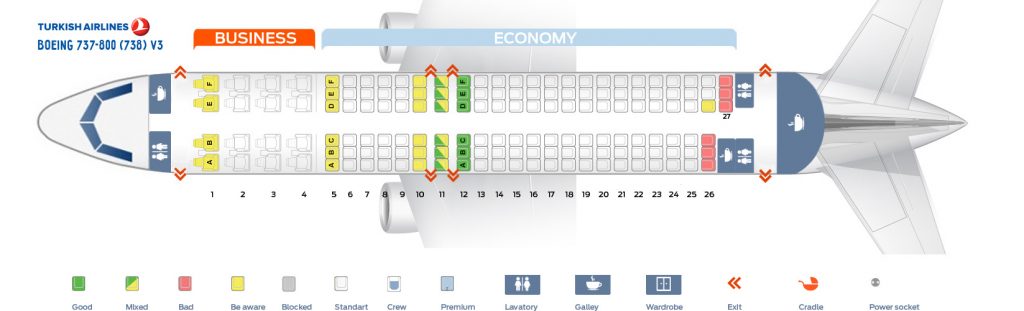
Seat Map and Seating Chart Boeing 737-800 V3 Turkish Airlines

Seat Map and Seating Chart Boeing 737 800 V3 Turkish Airlines

The third version of Boeing 737-800 offers 16 recliner seats of business class and 135 standard seats of economy class.

Business class seats are located in four rows and have 2-2 configuration.

Because of the position of the bulkhead the seats of the 1st row have less legroom.

Among other disadvantages: location of the lavatory and galley in front and lack of floor storage during take-off and landing.

Economy class offers 135 seats.

The seats of the 5th row have the following disadvantages: limited legroom, lack of floor storage during take-off and landing and reduced width.

Due to the exit row behind the seats of the 10th row have limited recline.

Passengers of the seats of the 11th row will feel comfortable thanks to extra space for their legs.

At the same time these seats are less reclining than standard and have no floor storage during take-off and landing.

The seats of the 12th row are considered the best seats as they offer extra legroom.

However, these seats have no floor storage during take-off and landing.

Close location of the galleys and lavatories may represent problem for passengers of the seats 26ABC, 26D and 27DEF.

In addition limited recline makes the seats 26ABC and 27DEF bad seats.

Boeing 737-800 Turkish Airlines Aircraft Fleet Inflight Amenities and On-Board Services Information

  • Audio. Turkish Airlines offers a wide variety of radio stations and audio CDs.
    More Information
  • Video. Each seat is equiped with a personal TV with Audio and Video on Demand.
    More Information
  • Food. Turkish Airlines serves complimentary meals, alcoholic beverages, and soft drinks.
    More Information

Turkish Airlines Aircraft Fleet Narrow-Body Boeing 737-800 Images Gallery

Thanks to visiting AirlinesFleet.com and read article : Turkish Airlines Fleet Boeing 737-800 Details and Pictures.
Turkish Airlines Fleet Boeing 737-700 Details and Pictures

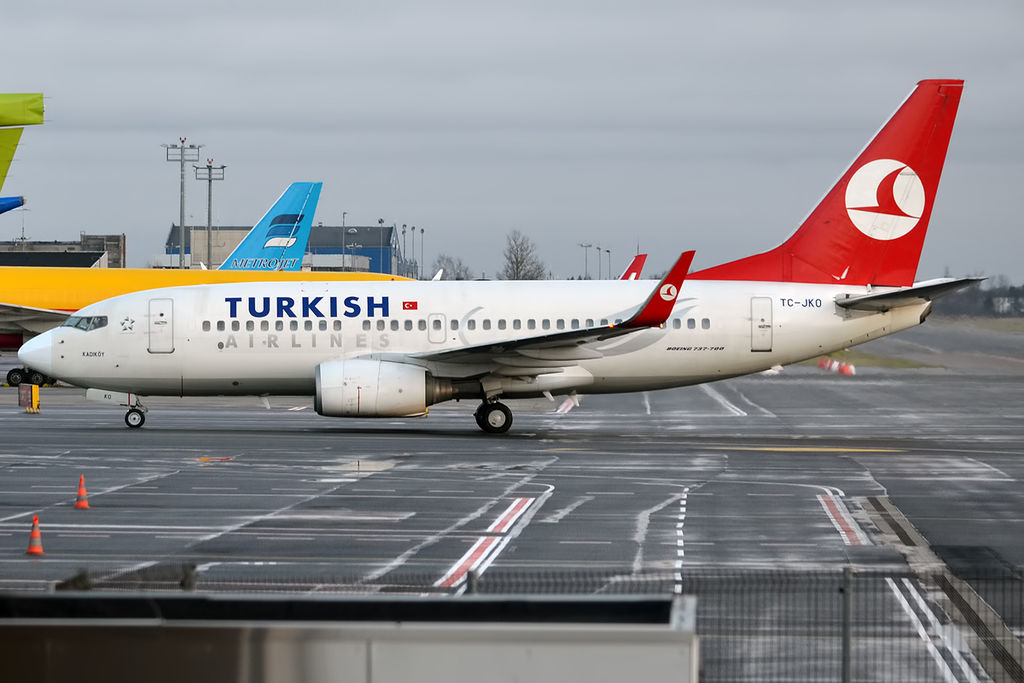
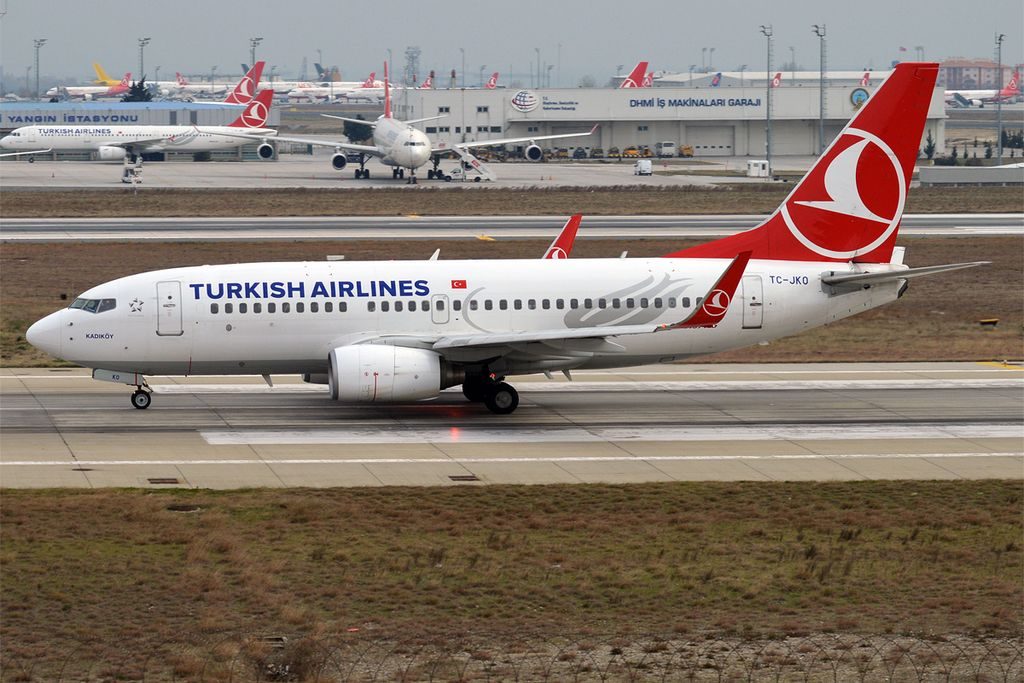
Turkish Airlines TC JKO Boeing 737 752 Kadıköy at Tallinn Airport

Turkish Airlines Fleet Boeing 737-700 Details and Pictures. On current fleet, Turkish Airlines only operated 1 narrow-body aircraft Boeing 737-700.
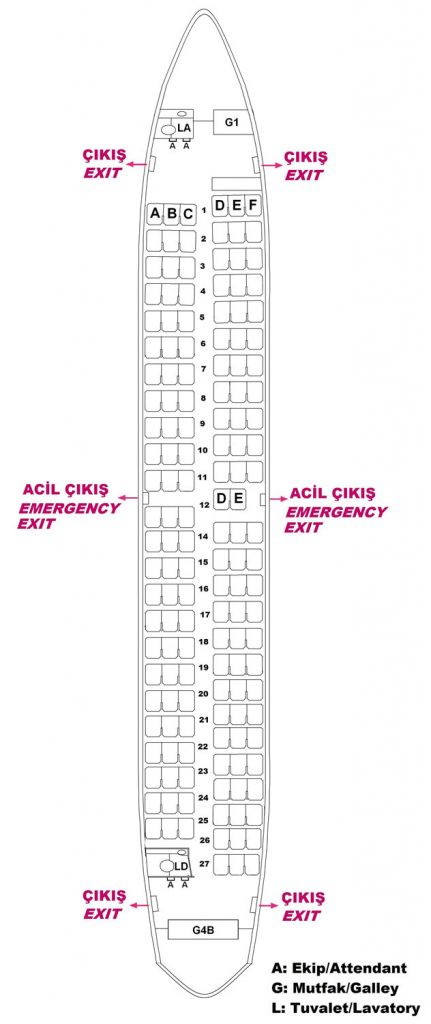
This aircraft configured on 2 class cabin, Business and Economy class.

Business class set up is 12 recliner seats with 5-6 inch recline.

And economy class set up is 112 standard seats with 4-6 inch recline.

This aircraft flight on short and medium haul routes.

Turkish Airlines TC JKO Boeing 737 752 Kadıköy at Istanbul Atatürk Airport

Boeing 737-700 Turkish Airlines Aircraft Fleet Data and Registration Number

Aircraft TypeRegDelivered
Boeing 737-752(WL)TC-JKO8 Jan 2010

Turkish Airlines Fleet Boeing 737-700 Cabin Interior Class Configuration and Seats Layout

This Turkish Airlines Boeing 737-300 features 124 seats in a two-class configuration of Business and Economy.

The seats are recliners with excellent legroom, surpassing Domestic First Class in the United States.

There was a separate Business Class cabin, but the hard product was clearly a past generation.

B737-700 Turkish Airlines Technical Specification

Number of aircraft1
Seating Capacity124
Maximum Takeoff Weight70.080 kg
Wingspan35,80 m
Length33,60 m
Height12,57 m
Maximum Altitude12.500 m/41.100 ft
Maximum Cargo Capacity4.178 kg

Boeing 737-700 Turkish Airlines Aircraft Fleet Inflight Amenities and On-Board Services Information

  • Food. Turkish Airlines serves complimentary meals, alcoholic beverages, and soft drinks.
    More Information

Turkish Airlines Aircraft Fleet Narrow-Body Boeing 737-700 Images Gallery

Thanks to visiting AirlinesFleet.com and read article : Turkish Airlines Fleet Boeing 737-700 Details and Pictures.
Turkish Airlines Fleet Airbus A340-300 Details and Pictures

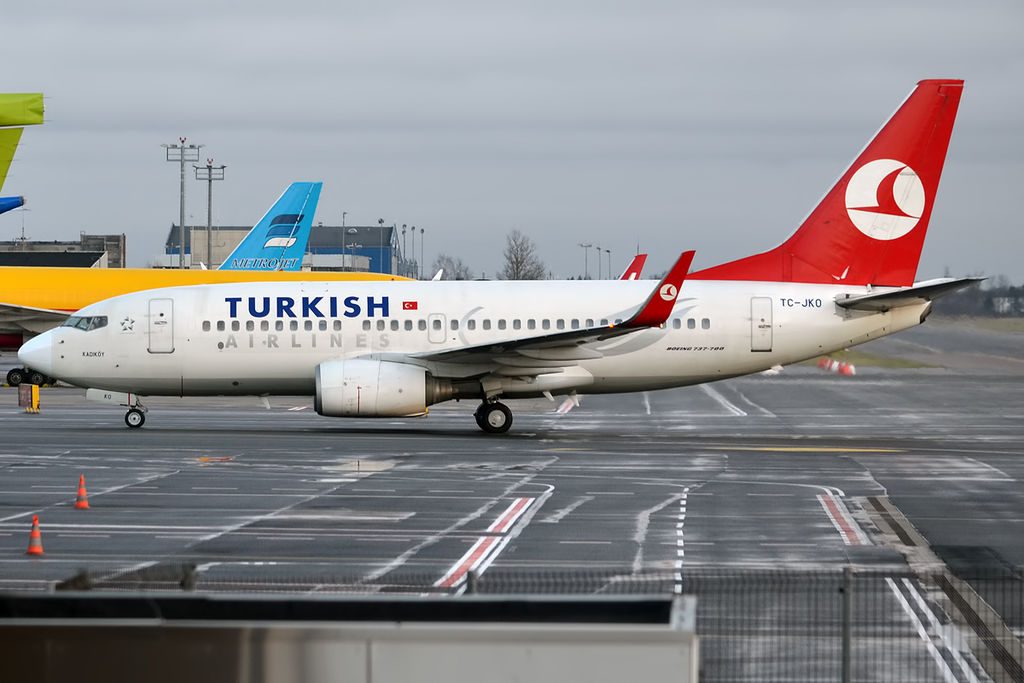
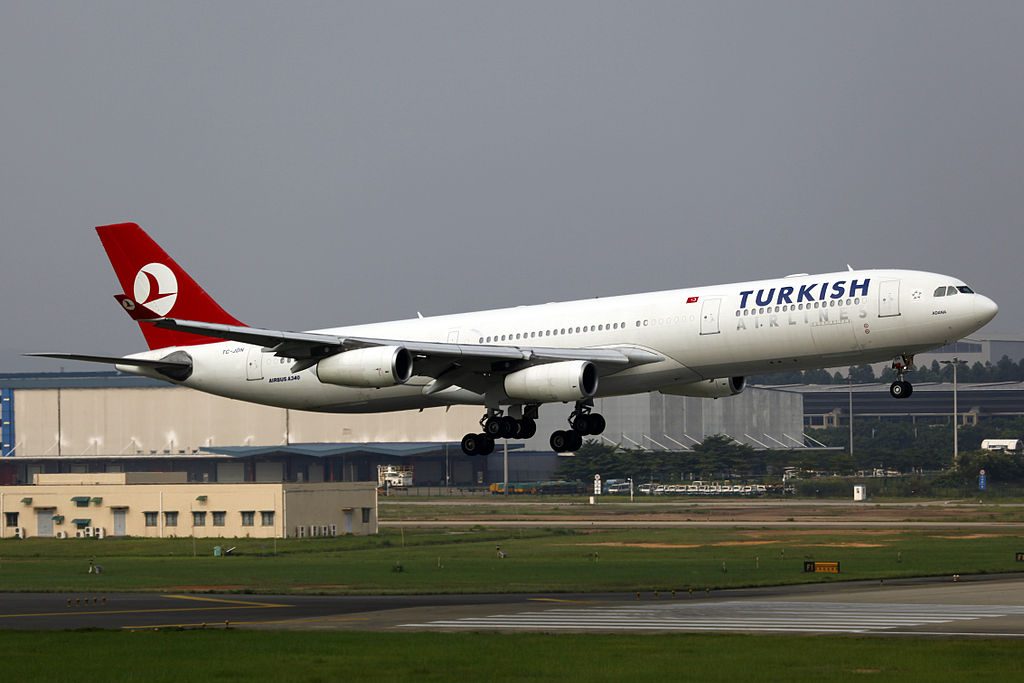
TC JDN Turkish Airlines Airbus A340 313 Adana at Beijing Capital International Airport

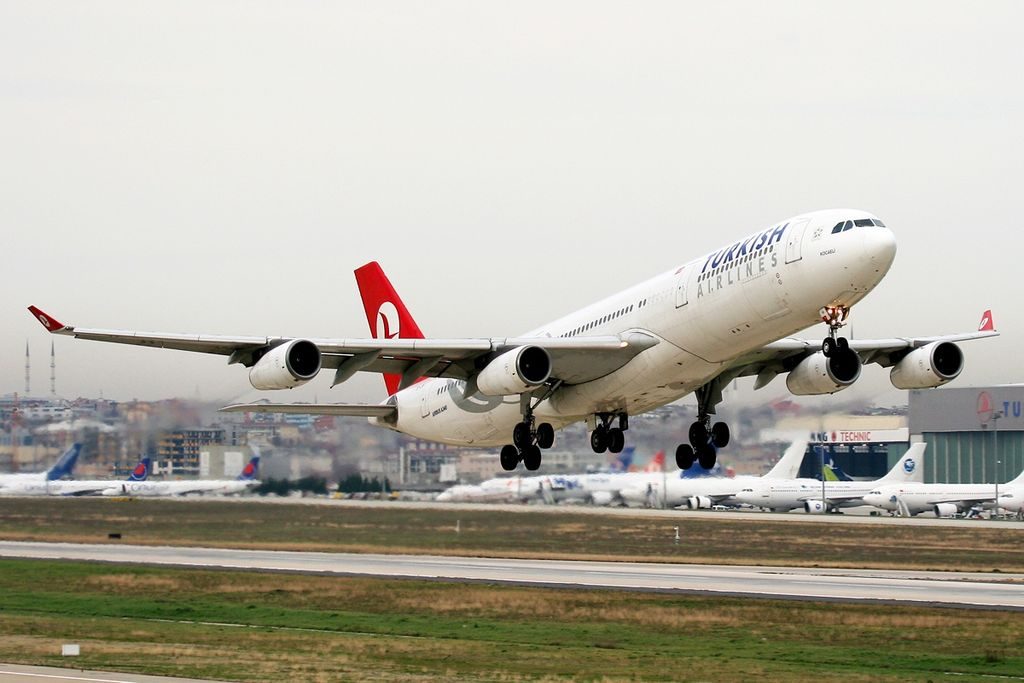
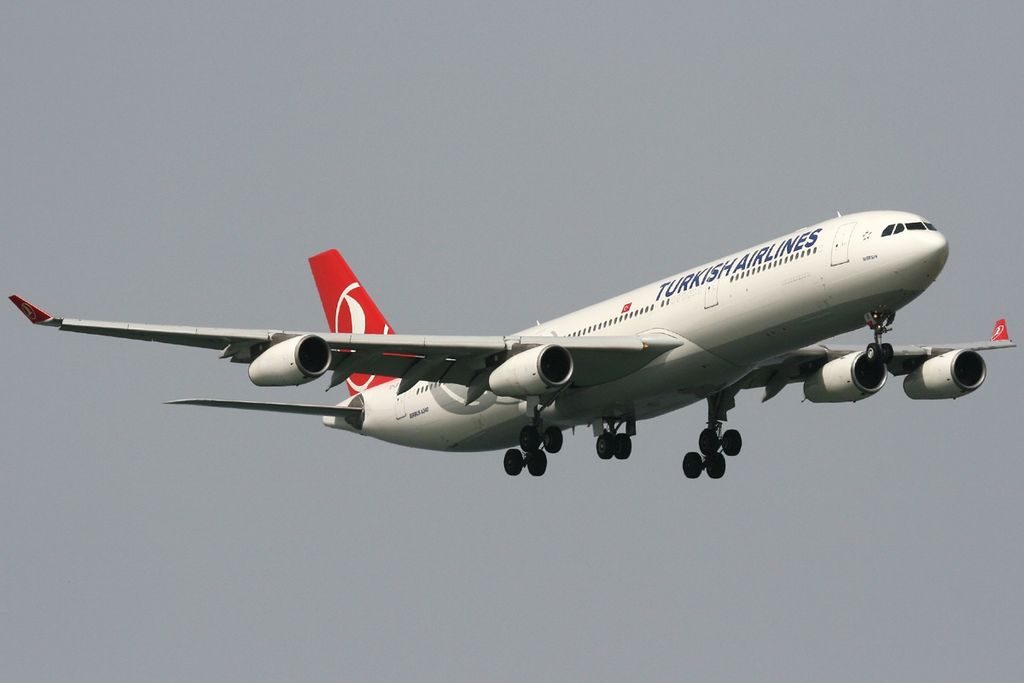
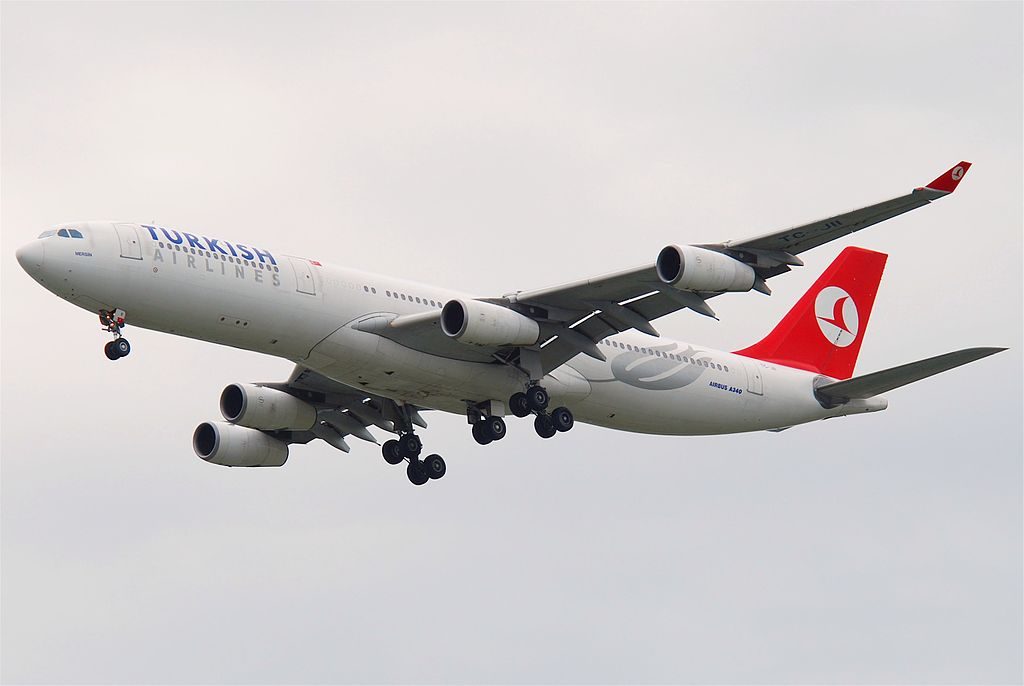
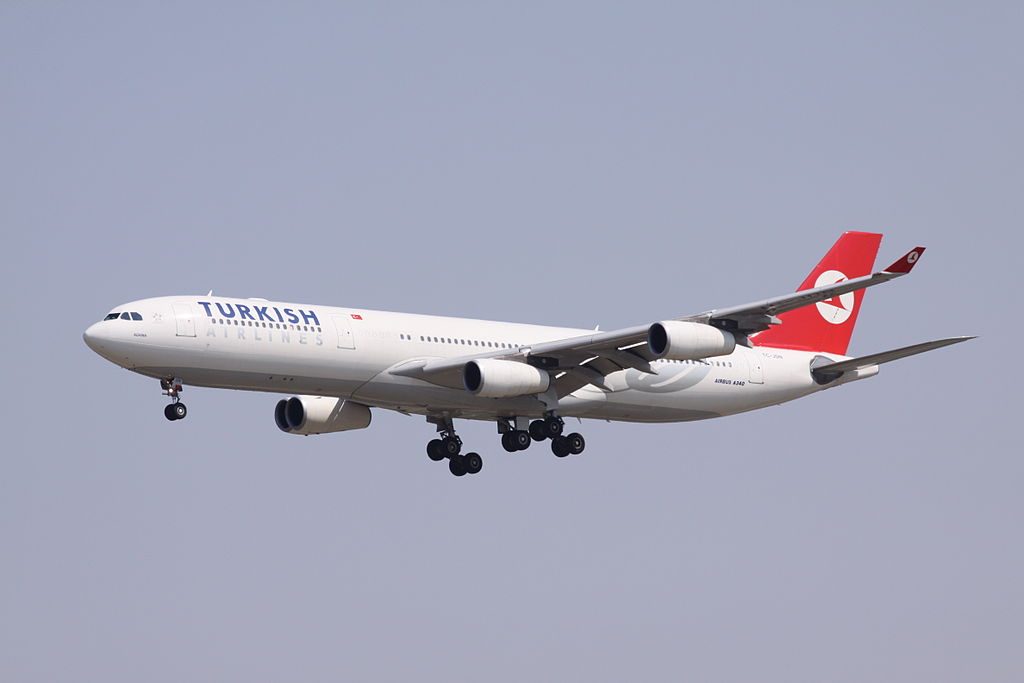
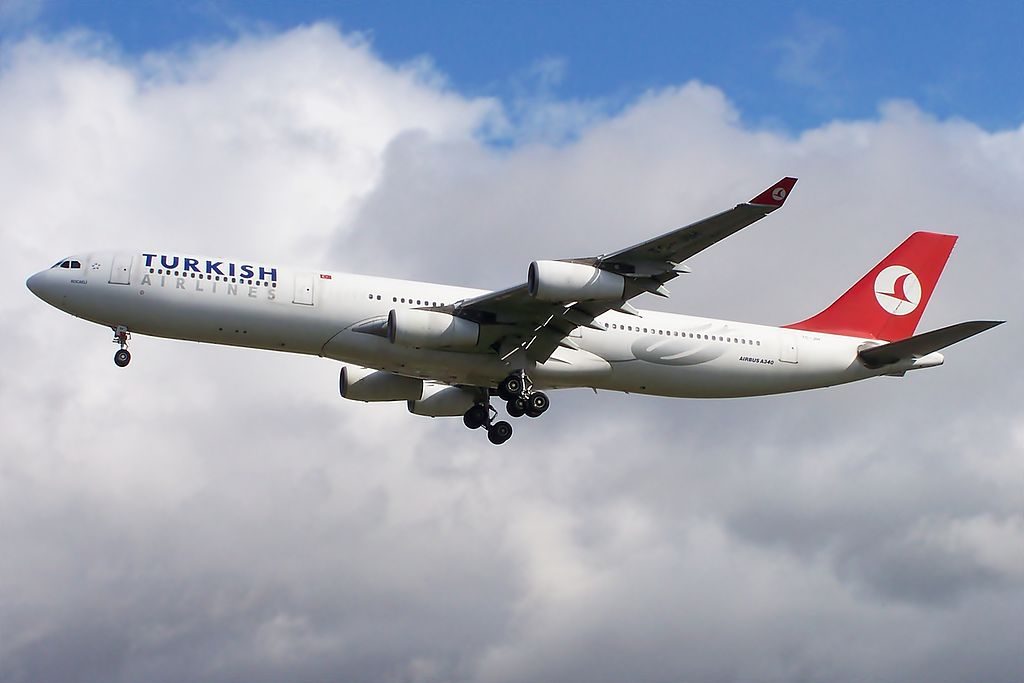
Turkish Airlines Fleet Airbus A340-300 Details and Pictures. Turkish Airlines operated 3 wide-body aircraft Airbus A340-300.
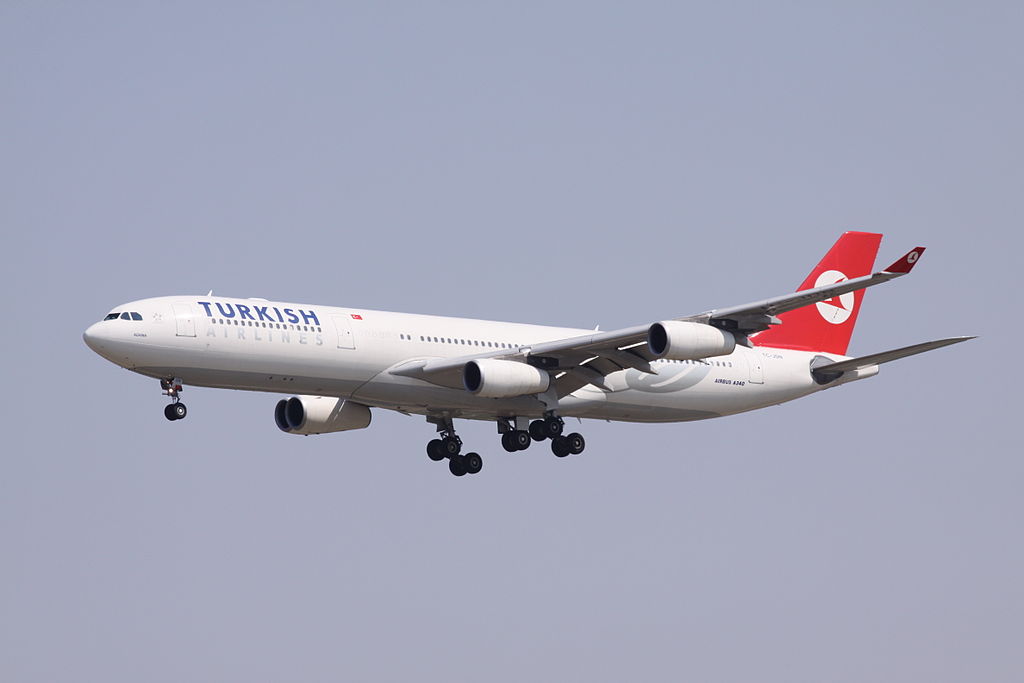
The four-engine A340-300 features a wonderfully quiet cabin, a key element for relaxing on long-haul operations.

Seating 275-300 passengers in a typical configuration, or up to 440 travellers in a high-density arrangement, everyone flying can enjoy the extra personal space available in the widebody twin-aisle cabin.

With wider seats and the possibility of including a wide variety of customised interiors and in-flight entertainment options, passengers can settle in and enjoy their flight.

With enduring appeal to both passengers and businesses, the A340-300 continues to be a popular aircraft.

With such superior levels of space and comfort, time on-board flies by and everyone can reach their destination feeling refreshed and relaxed.

TC JDN Turkish Airlines Airbus A340 313 Adana at Guangzhou Baiyun International Airport

Airbus A340-300 Turkish Airlines Aircraft Fleet Data and Registration Number

Aircraft TypeRegDeliveredName
Airbus A340-313TC-JDN19 Aug 1997Adana
Airbus A340-313TC-JIH22 Apr 1999Kocaeli
Airbus A340-313TC-JII21 Apr 2000Mersin

Turkish Airlines Fleet Airbus A340-300 Cabin Interior Class Configuration and Seats Layout

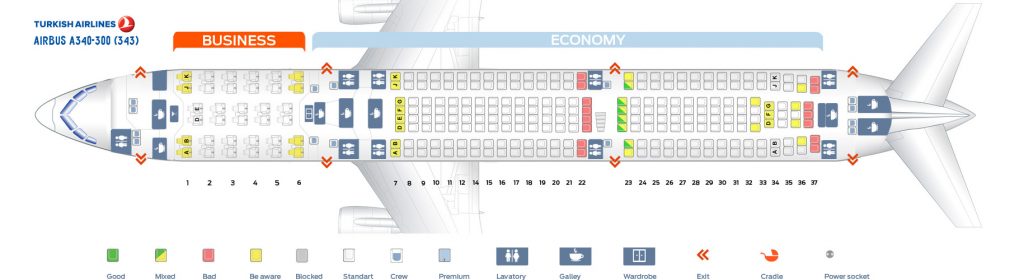
Airbus A340-300 operated by Turkish Airlines offers 270 seats of two classes.

All seats in economy, except G seats, have limited under seat leg and storage room due to the presence of an entertainment equipment box.

The A,E,K seats have a box that takes up 1/2 of the under seat room.

The B,D,F,J seats have a box that takes up 1/3 of the room.

Business class seating is angle-flat seats with 159 degrees recline.

Economy class seating is standard seats with 6 inch recline.

The business cabin of this A340-300 has six rows (five in the middle) in a 2-2-2 (A-B, D-E, J-K) configuration.

The seat looked like the older cradle-style but actually moved into an angled lie-flat bed.

It was pretty comfortable (width is 51cm/20in).

It has three preset positions for relaxing and sleeping, along with a massage function and lumbar support.

A privacy screen pulls out from the back and a step lifts up from the bottom of the footrest for support.

The in-flight entertainment (IFE) is operated by a control in the armrest and was fitted to the back of the seat in front.

Seat Map and Seating Chart Airbus A340-300 Turkish Airlines

Seat Map and Seating Chart Airbus A340 300 Turkish Airlines

Business class may transport 34 passengers on angle flat seats that have 159 degrees recline.

Business class consists of 6 rows of seats.

The only disadvantage of the seats 1AB, 1JK, 6AB and 6JK is close location of the galleys, the noise from which will cause discomfort to passengers of these seats.

Economy class has 236 standard seats that have 6 inch recline.

Most of the seats of the economy class have 2-4-2 configuration.

The seats are separated with an exit row in two sections.

All the seats of the economy class (except G seats) have less space for passengers legs due to presence of entertainment equipment under these seats.

First section of economy class seats contains 15 rows that have 2-4-2 configuration.

Due to position of the bulkhead the seats of the 7th row have limited legroom.

Also, as the tray tables are in the armrests the width of these seats is slightly reduced.

These seats have no floor storage during take-off and landing and are located close to galleys and lavatories.

These seats offer bassinet locations for passengers traveling with babies.

Limited recline and close location of the lavatories and stairs make the seats of the 22nd row bad seats.

The second section of economy class seats also has 15 rows.

Passengers of the seats 23B, 23DEFG and 23J will feel comfortable thanks to extra legroom.

The seats 23A and 23K on the contrary have limited space for passengers’ legs due to exit door protrusion.

Among disadvantages of the seats of the 23rd row: proximity of the lavatories, reduced width and lack of floor storage during take-off and landing.

Also, passengers of the seats 23A and 23K may get cold during the flight by the exits.

Because of change of the seats’ configuration from 4 to 3, the seats 33D and 33G are bumped by crew members and passengers passing by, but the seats 35DFG have less legroom space.

The only disadvantage of the seats 36B, 36D, 36G and 36J is close location of the lavatories.

Location of the lavatories behind and limited recline make the seats of the last 37th row bad seats.

Airbus A340-300 Turkish Airlines Aircraft Fleet Inflight Amenities and On-Board Services Information

  • Audio. Each seat has a personal TV with Audio and Video onDemand that features 250 CDs.
    More Information
  • Video. Each seat has a personal TV with Audio and Video onDemand that features 30 movies, 40 short films, and games. 
    More Information
  • AC Power. Power ports are available at all Business Class seats. There is no power in Economy.
  • Food. Turkish Airlines serves complimentary meals, alcoholic beverages, and soft drinks.
    More Information

Turkish Airlines Aircraft Fleet Wide-Body Airbus A340-300 Images Gallery

Thanks to visiting AirlinesFleet.com and read article : Turkish Airlines Fleet Airbus A340-300 Details and Pictures.
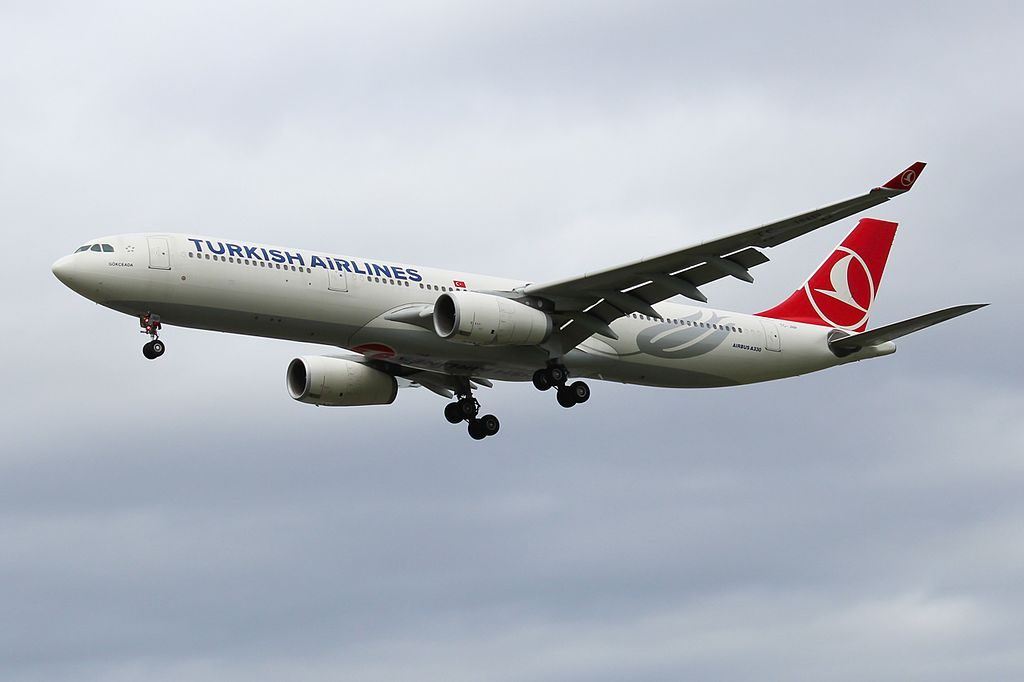
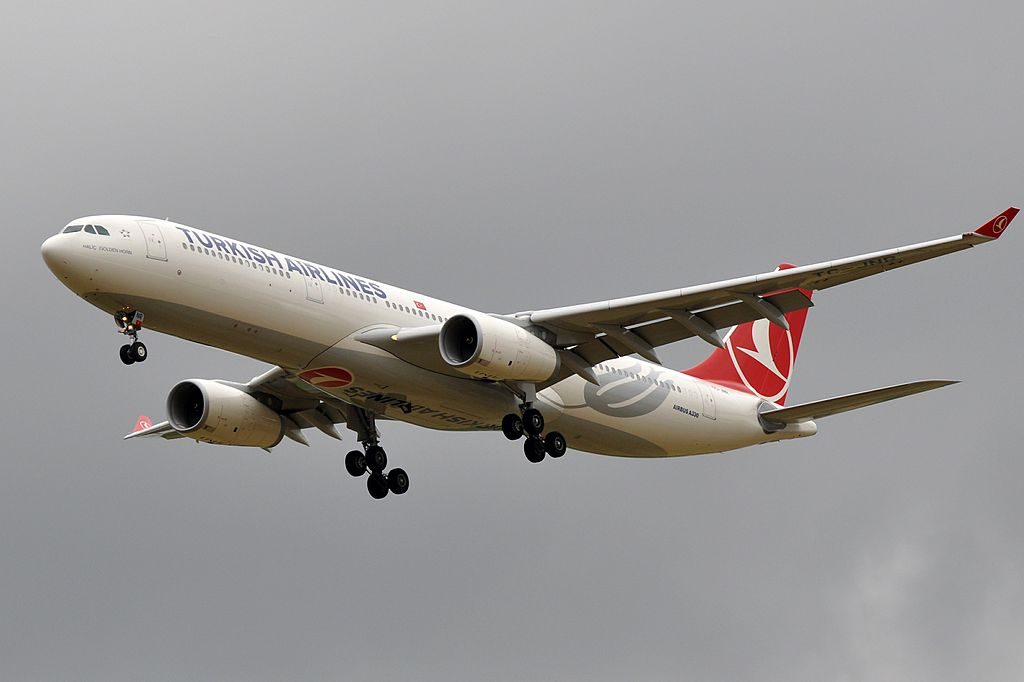
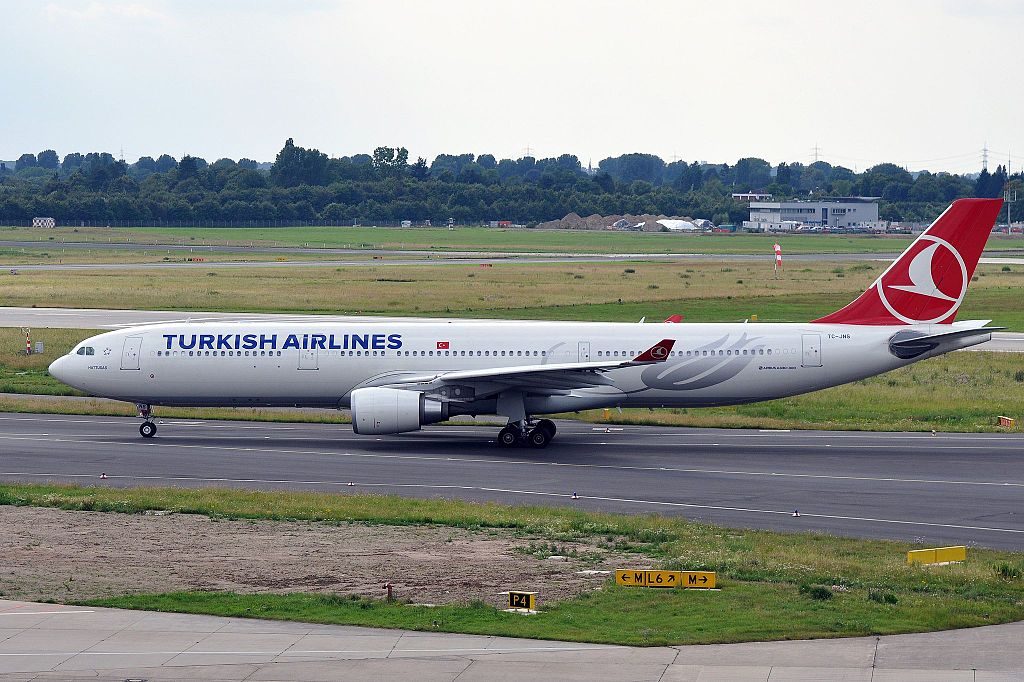
Turkish Airlines Fleet Airbus A330-300 Details and Pictures

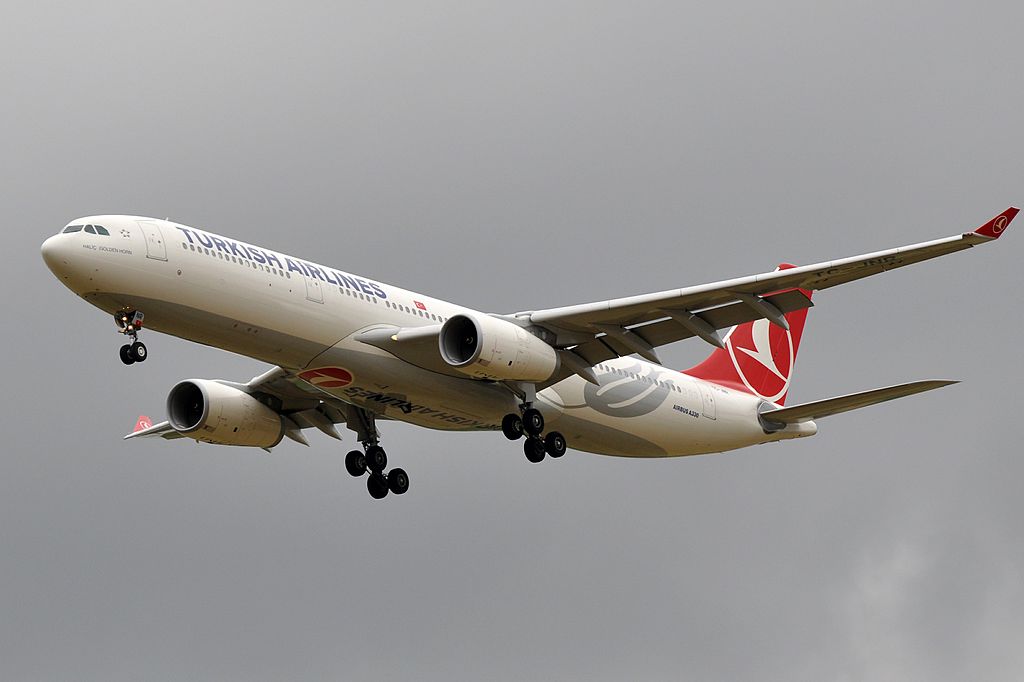
TC JNR Airbus A330 300 Haliç Golden Horn of Turkish Airlines at Paris Charles de Gaulle Airport

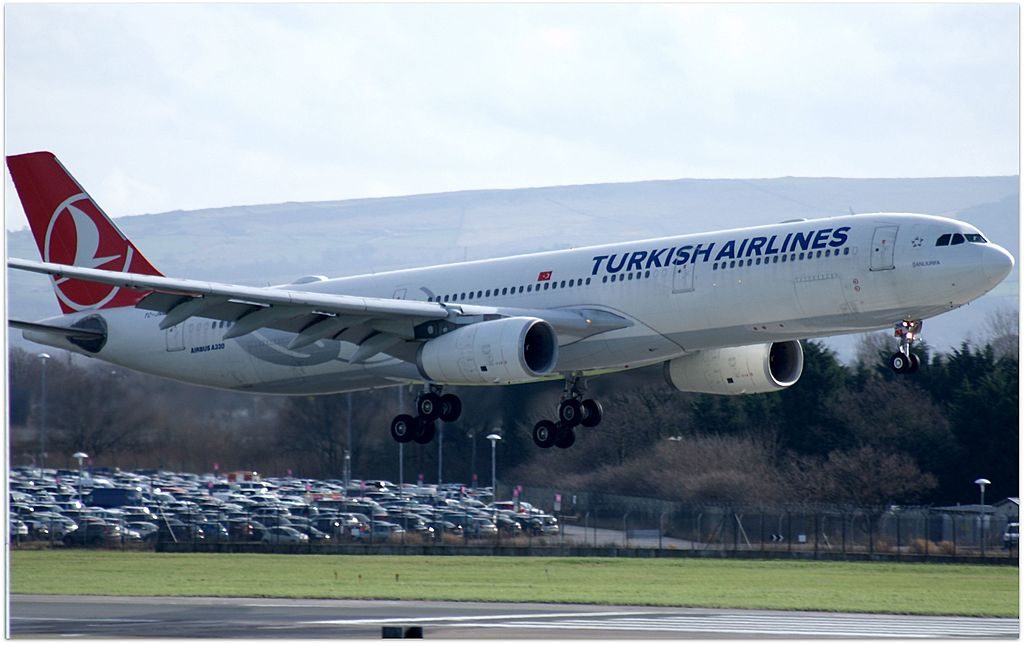
Turkish Airlines Fleet Airbus A330-300 Details and Pictures. On current fleet, Turkish Airlines operates 37 aircrafts Airbus A330-300.
Wide-bodied passenger jet airplane Airbus A330-300 is one of the variants in which Airbus A330 is made (as a based for A330-200).

The cabin of Airbus A330-300 may have three-class configuration and may accommodate 295 passengers.

Also there is variant with two-class configuration (in this case number of passengers increases up to 335) or one class (number of passenger seats is 440).

irst class of Airbus A330-300 offers seats of enhanced comfort.

Besides, Airbus A330-300 has huge cargo compartment (for 32 LD3 containers or 11 pallets) and is often used by airline companies for cargo transportation.

TC JNK Airbus A330 300 Şanlıurfa of Turkish Airlines at Manchester Airport

Airbus A330-300 Turkish Airlines Aircraft Fleet Data and Registration Number

Aircraft TypeRegAge
Airbus A330-300TC-JNH8.3 years
Airbus A330-300TC-JNJ8.2 years
Airbus A330-300TC-LNC2.9 years
Airbus A330-300TC-JOE4.2 years
Airbus A330-300TC-JOB4.8 years
Airbus A330-300TC-JNM7.8 years
Airbus A330-300TC-JOK3.5 years
Airbus A330-300TC-JOM4.7 years
Airbus A330-300TC-JOD4.6 years
Airbus A330-300TC-JOA4.9 years
Airbus A330-300TC-JNO6.8 years
Airbus A330-300TC-JNS5.2 years
Airbus A330-300TC-JOH3.8 years
Airbus A330-300TC-JNI8.3 years
Airbus A330-300TC-JNZ5.1 years
Airbus A330-300TC-JNT5.2 years
Airbus A330-300TC-JOI3.7 years
Airbus A330-300TC-JOF3.8 years
Airbus A330-300TC-JOJ3.5 years
Airbus A330-300TC-JOL3.6 years
Airbus A330-300TC-JNK8.1 years
Airbus A330-300TC-JNN7.7 years
Airbus A330-300TC-JNP6.7 years
Airbus A330-300TC-JOG3.8 years
Airbus A330-300TC-JNR6.7 years
Airbus A330-300TC-JNL8.0 years
Airbus A330-300TC-LOG3.0 years
Airbus A330-300TC-LND2.9 years
Airbus A330-300TC-LNG2.6 years
Airbus A330-300TC-LNE2.8 years
Airbus A330-300TC-LOE4.1 years
Airbus A330-300TC-LOD4.5 years
Airbus A330-300TC-LOA5.0 years
Airbus A330-300TC-LNF2.8 years
Airbus A330-300TC-LOC4.6 years
Airbus A330-300TC-LOF3.1 years
Airbus A330-300TC-LOB4.9 years

Turkish Airlines Fleet Airbus A330-300 Cabin Interior Class Configuration and Seats Layout

Turkish airlines operates two-class version of Airbus A330-300.

This airplane is used mainly during International flights.

This airplane may accommodate 289 passengers: 28 in business class and 261 in economy.

Turkish Airlines A330-300 aircraft had a total of 289 seats, including 28 lie-flat seats in business class with a pitch of 61 inches and 261 economy seats with a pitch of 31-33 inches.

Compared to Turkish’s 777, the business-class cabin is far smaller on the A330-300, with just 28 lie-flat seats, 21 fewer than on the 777-300ER.

Seats are arranged in a 2-2-2 configuration, which I prefer to the 2-3-2 you’ll find on the 777.

Since the A330 cabin is narrower, however, the seats measure 21 inches on this plane, compared to 22 inches on the larger Boeing jet.

There were two lavatories assigned to the business cabin — one up front, near the cockpit, and another near the second door, on the port side of the plane.

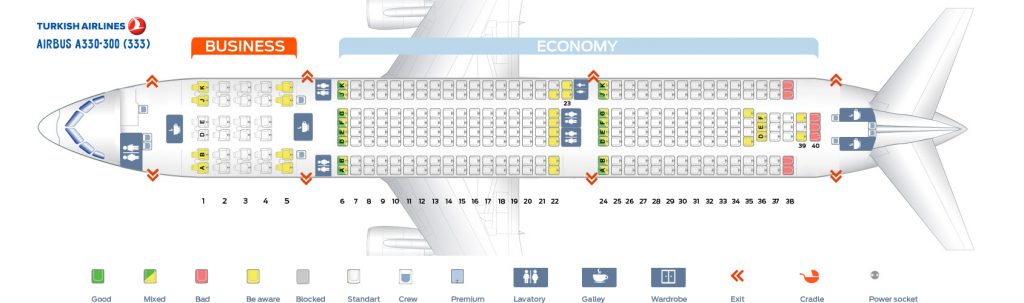
Seat Map and Seating Chart Airbus A330-300 Turkish Airlines

Seat Map and Seating Chart Airbus A330 300 Turkish Airlines

Business class consists of 28 flat bad seats that have 180 degree recline.

These seats are located in 5 rows.

Four rows have 2-2-2 configuration and one row contains 4 seats.

The noise from the bar and galleys will cause discomfort to passengers of the seats 1AB and 1JK as well as the noise from the galley and lavatories may represent a problem for passengers of the seats 5AB and 5JK.

Behind the exit row 261 economy class seats are located.

These seats are divided into two sections.

First section of economy class seats contains 18 rows of seats: 17 of them have 2-4-2 configuration and the last row of the section contains 2 seats.

So, this section contains 138 seats.

Due to position of the bulkhead the seats of the 6th row offer extra space for passengers’ legs.

However, these seats are narrower than standard, have no floor storage during take-off and landing and are located close to the lavatories the noise from which may be bothersome.

For passengers traveling with babies these seats offer bassinet locations.

The only disadvantage of the seat 22J is location of the lavatories right behind this seat.

This is also one of the disadvantages of the seats 22AB, 22DEFg and 23JK as well as limited recline.

The second section of economy class seats is located behind the exit row and contains 17 rows.

Thanks to the exit row located in front passengers of the seats of the 24th row will take advantage of extra legroom.

Among disadvantages of these seats: it can get cold by the exits during the flight, the tray tables are built-in the armrests making them immovable and reducing the width of the seats a little, lack of floor storage during take-off and landing and congregation of passengers in front of these seats because of the lavatories located here.

Because of the awkward transition of the seats from 4 to 3, the seats 35D and 35G are often bumped by other passengers passing by and service carts but the seats 36DEF have limited space for passengers’ legs.

The noise from the galleys located behind will represent a problem for passengers of the seats 38AB, 38JK, 39D, 39F and 40DEF.

In addition, limited recline makes the seats 38AB, 38JK and 40DEF bad seats.

Airbus A330-300 Turkish Airlines Aircraft Fleet Inflight Amenities and On-Board Services Information

  • Audio. Most routes feature personal TV at each seat with Audio and Video onDemand that features 30 movies, 40 short films, and games. 
    More Information
  • Video. Most routes feature personal TV at each seat with Audio and Video onDemand that features 30 movies, 40 short films, and games. 
    More Information
  • AC Power. Each seat has a 110V AC power outlet allowing you to charge any electronic devices while inflight. 
  • Internet. Turkish Airlines provides WIFI on some aircraft. More information
  • Food. Turkish Airlines serves complimentary meals, alcoholic beverages, and soft drinks.
    More Information

Turkish Airlines Aircraft Fleet Wide-Body Airbus A330-300 Images Gallery

Thanks to visiting AirlinesFleet.com and read article : Turkish Airlines Fleet Airbus A330-300 Details and Pictures.
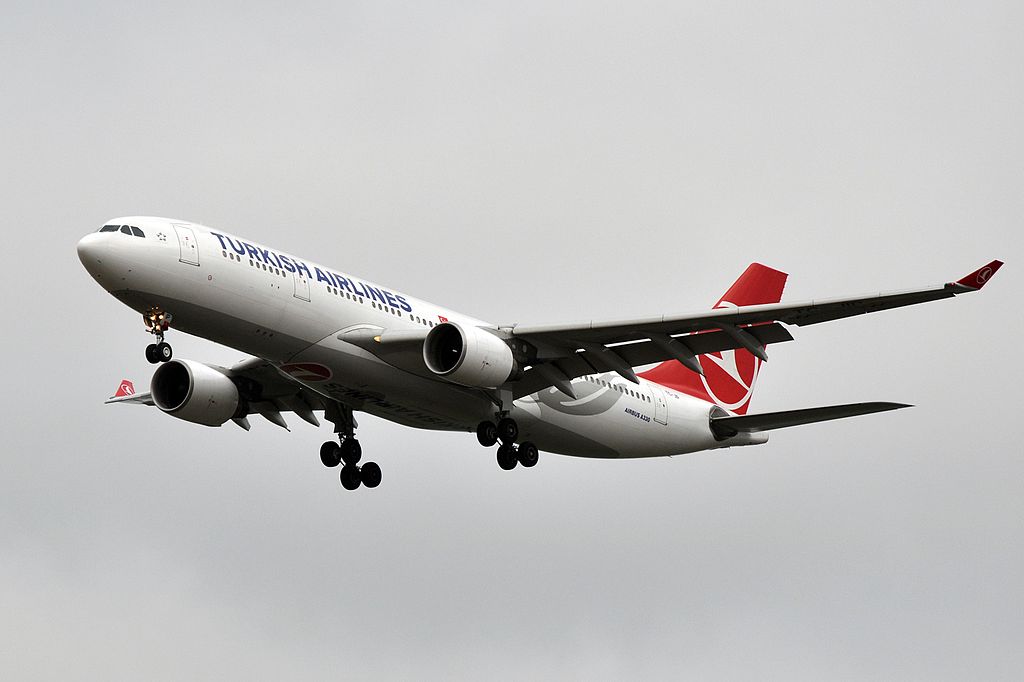
Turkish Airlines Fleet Airbus A330-200 Details and Pictures

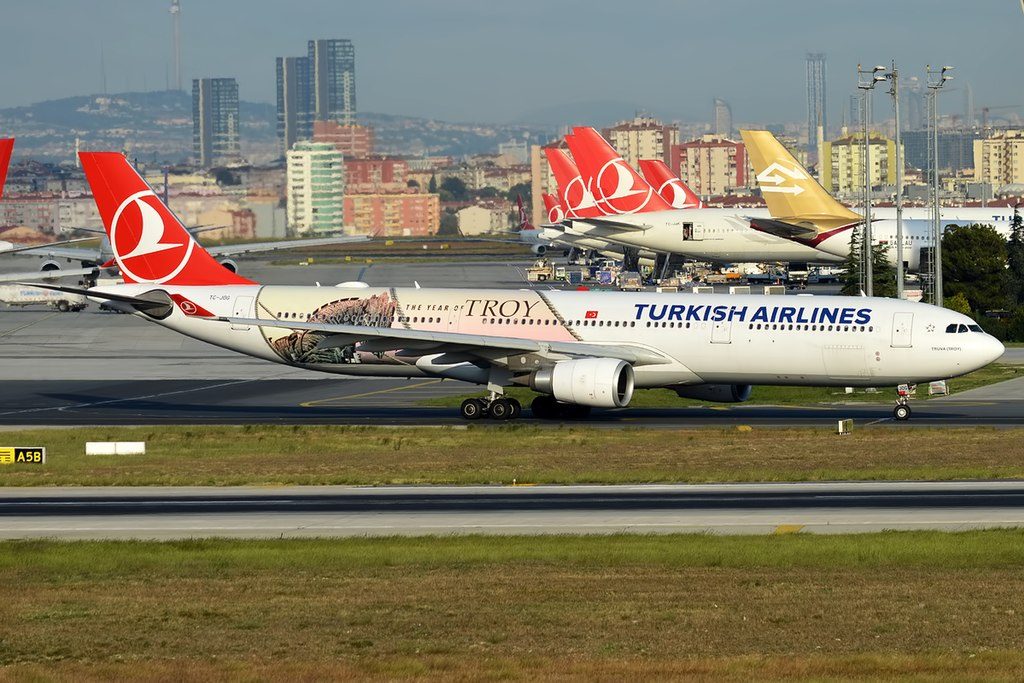
TC JIP Airbus A330 200 Lale Tulip of Turkish Airlines at Paris Charles de Gaulle Airport

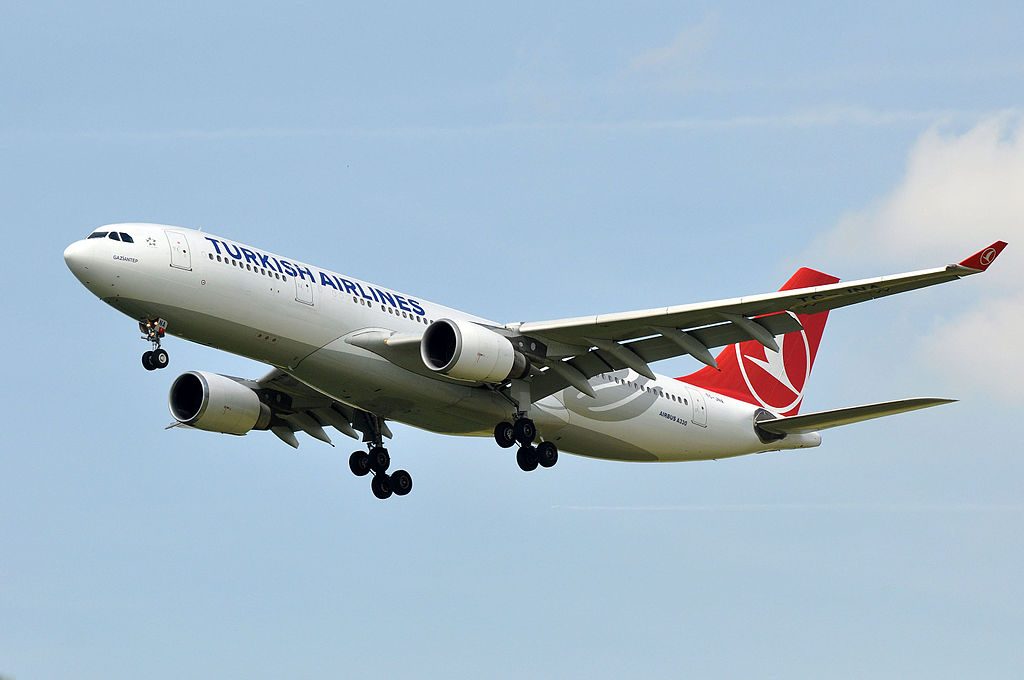
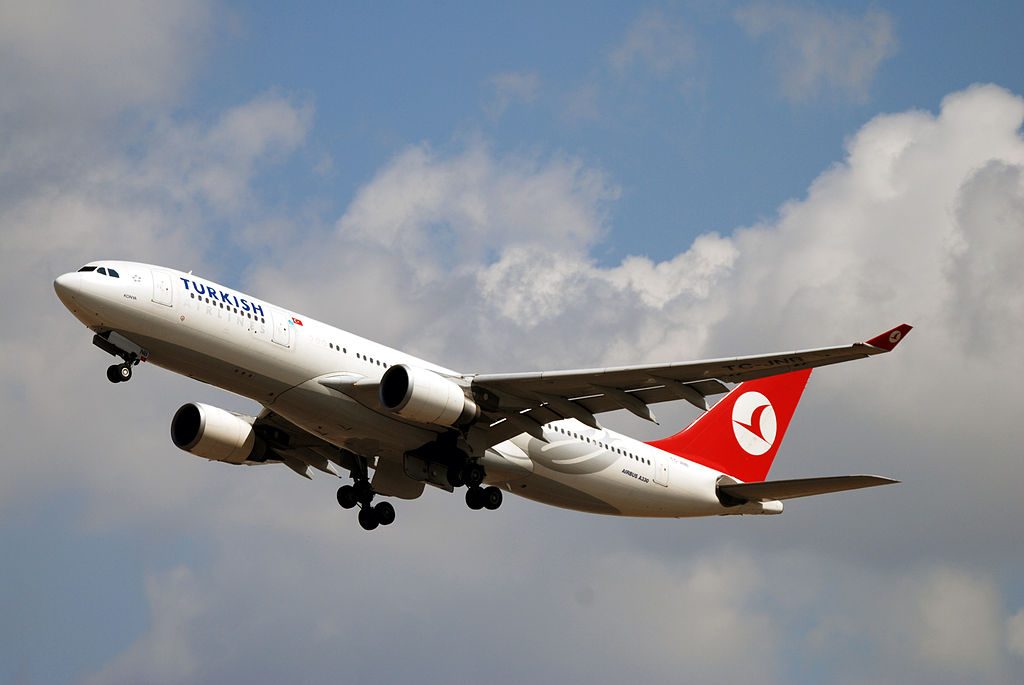
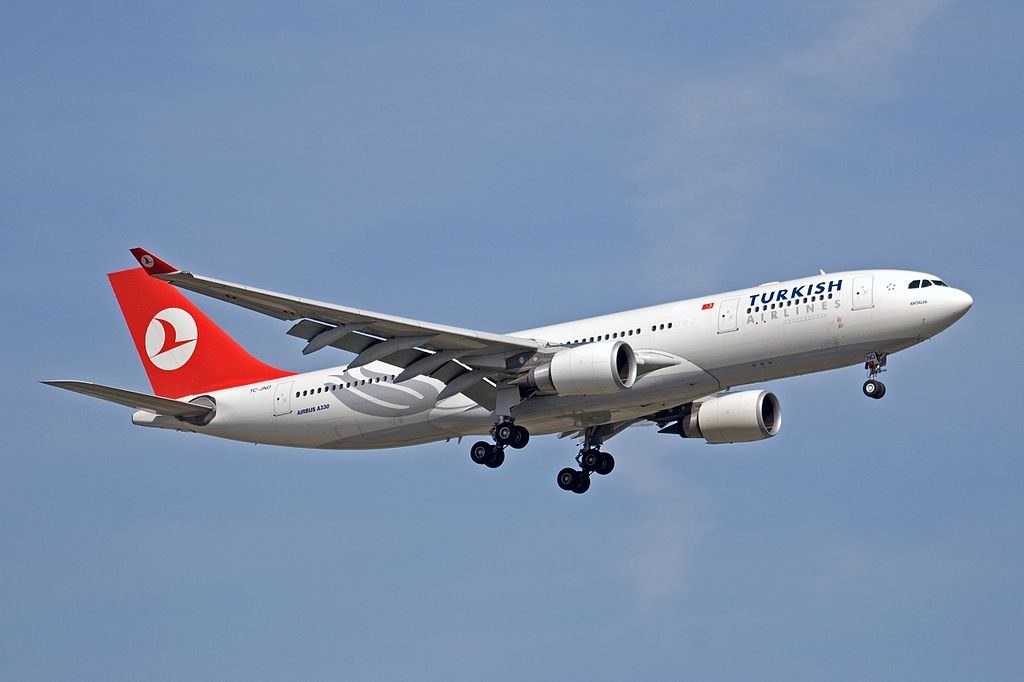
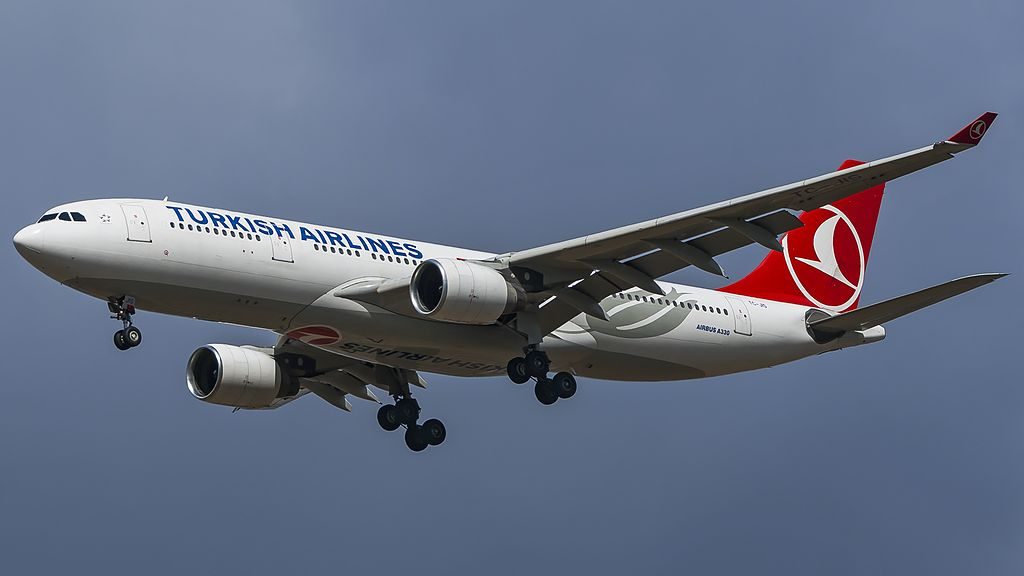
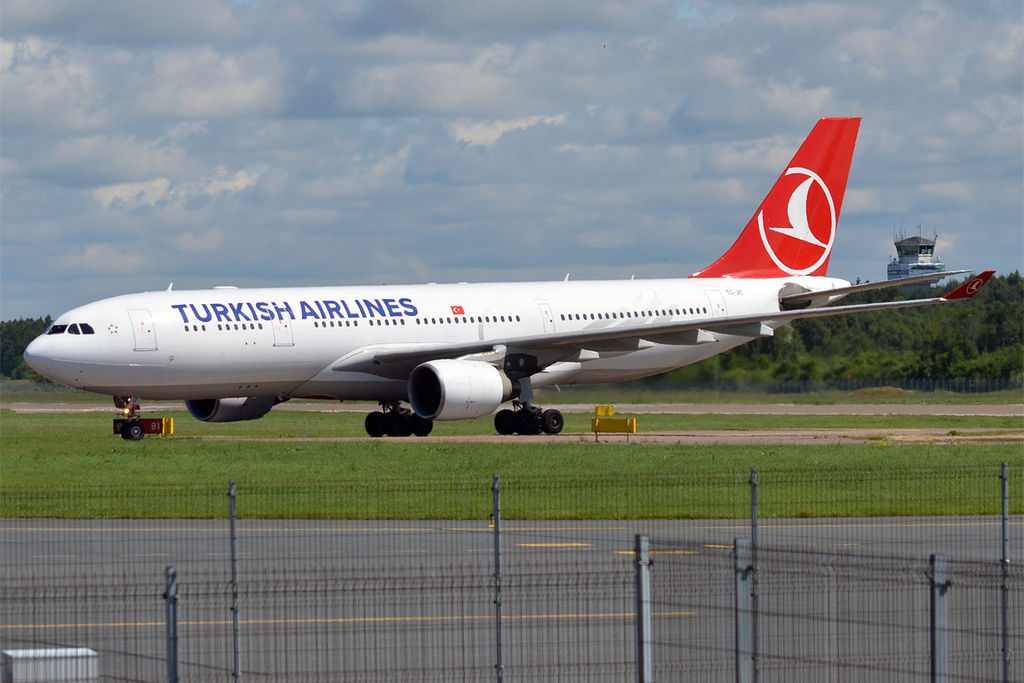
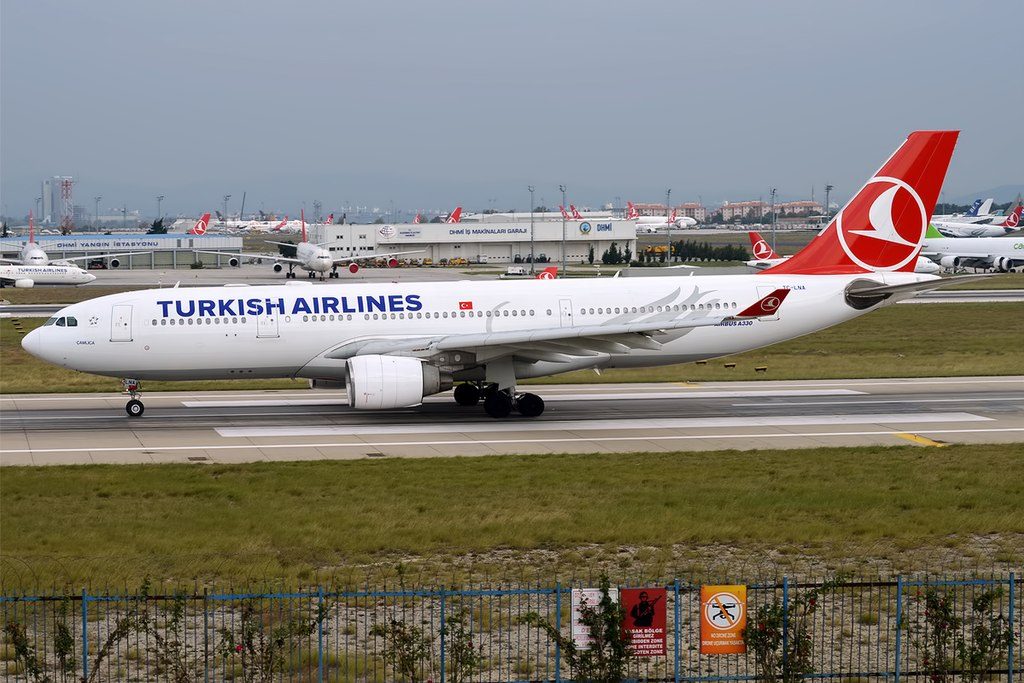
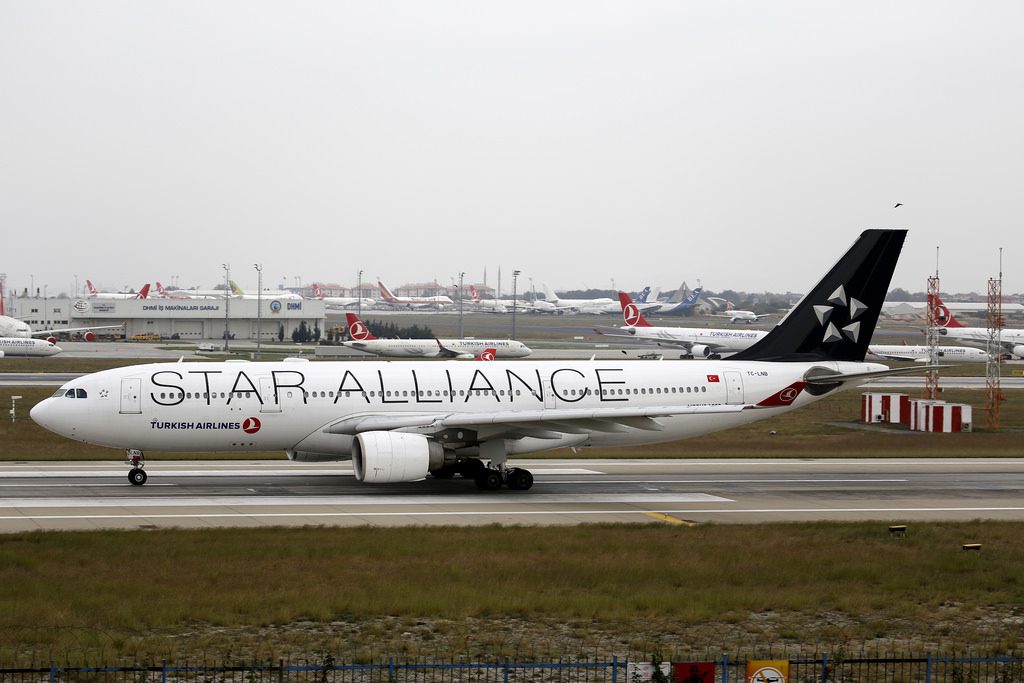
Turkish Airlines Fleet Airbus A330-200 Details and Pictures. Turkish Airlines operated 18 wide-body aircraft Airbus A330-200.
Airbus A330-200 in typical three-class modification may accommodate 253 passenger seats, 293 seats in two classes or up to 40 seats in economy modification.

In case of maximum load Airbus A330-200 may flight on distance of 12500 kilometers.

Ferry range of the aircraft is more than 13 thousands kilometers.

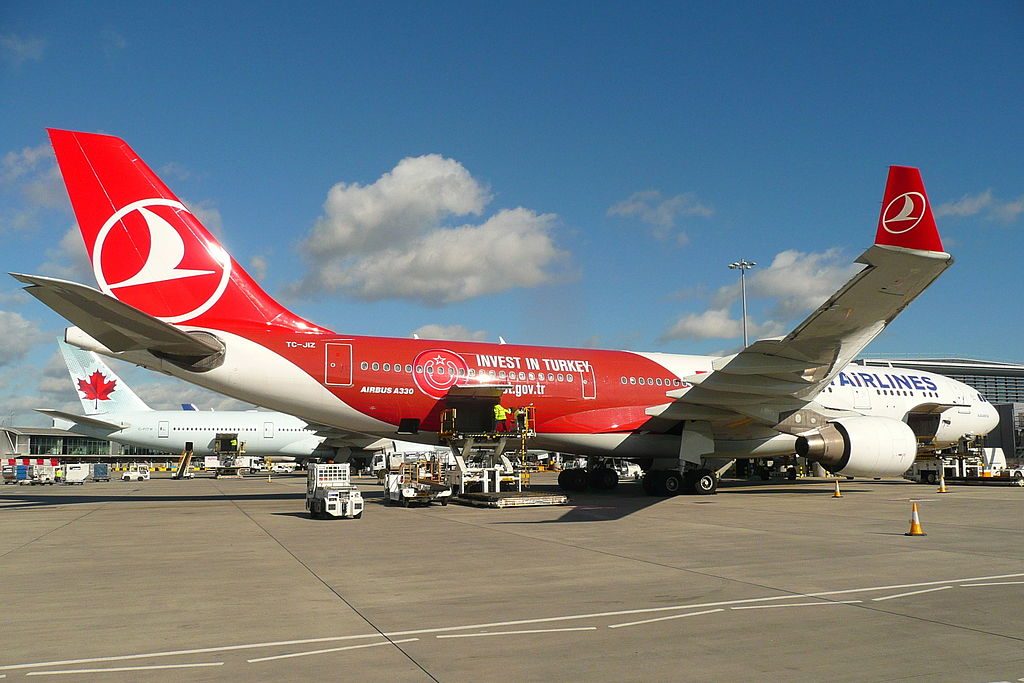
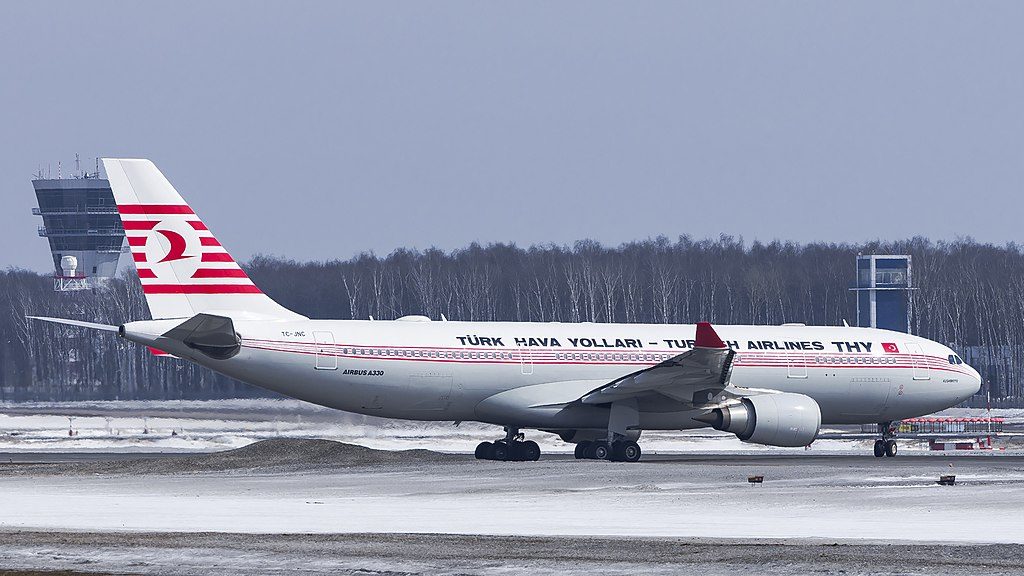
Turkish Airlines Invest in Turkey livery Airbus A330 223 TC JIZ Alacahöyük at London Heathrow Airport

Airbus A330-200 Turkish Airlines Aircraft Fleet Data and Registration Number

Aircraft TypeRegAge
Airbus A330-200TC-LNA10.7 years
Airbus A330-200TC-JIO11.2 years
Airbus A330-200TC-JNE12.5 years
Airbus A330-200TC-JIR10.4 years
Airbus A330-200TC-JNC12.8 years
Airbus A330-200TC-LNB10.5 years
Airbus A330-200TC-JIT10.1 years
Airbus A330-200TC-LOI7.7 years
Airbus A330-200TC-JIL11.2 years
Airbus A330-200TC-JNA13.3 years
Airbus A330-200TC-JIZ8.7 years
Airbus A330-200TC-LOH7.8 years
Airbus A330-200TC-JIP11.2 years
Airbus A330-200TC-JIN10.6 years
Airbus A330-200TC-JND12.6 years
Airbus A330-200TC-JIS10.3 years
Airbus A330-200TC-JNB13.1 years
Airbus A330-200TC-JIM11.0 years

Turkish Airlines Fleet Airbus A330-200 Cabin Interior Class Configuration and Seats Layout

Turkish Airlines operates 4 cabin versions of Airbus A330-200.

On first version All A, B, J and K seats in Economy have limited underseat leg and storage room due to the presence of an entertainment equipment box.

Second version of Turkish Airlines’ A330-200 features a two cabin configuration with Business and Economy Class seating, totaling a capacity of 223 passengers.

The A330-200 is optimized for med-to-long haul routes.
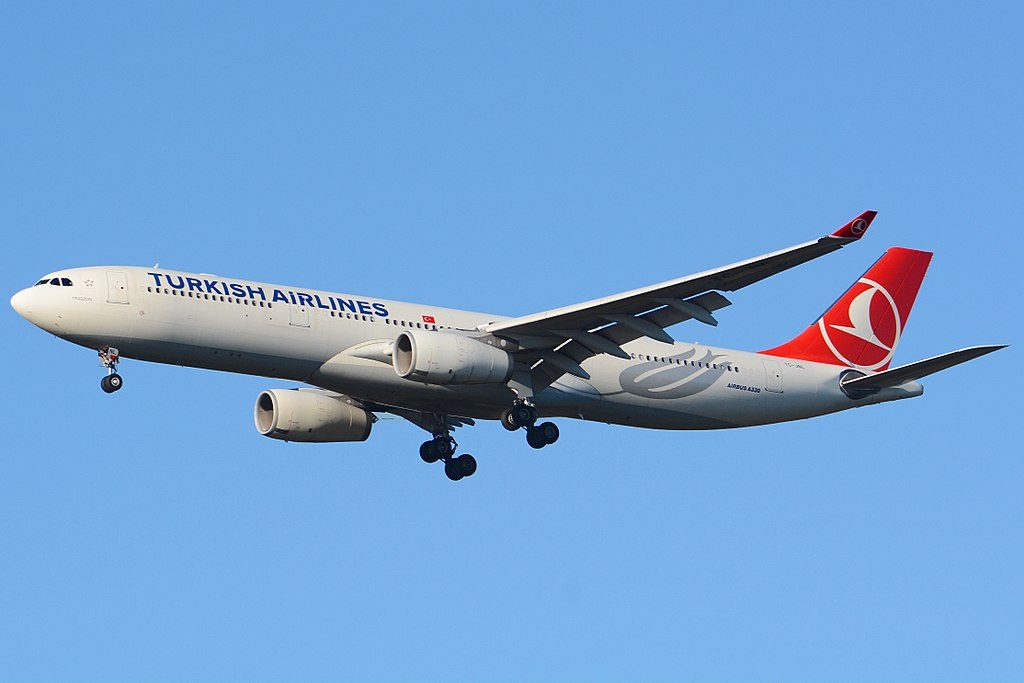
Third version of Turkish Airlines’ A330-200 features a two cabin configuration with Business and Economy Class seating, totaling a capacity of 220 passengers.
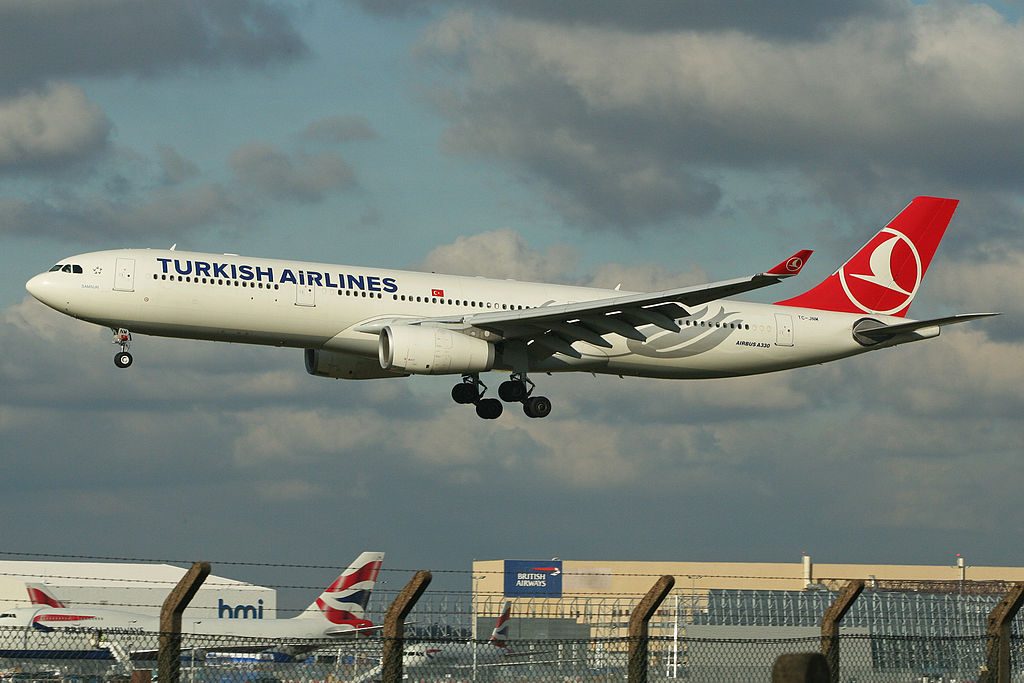
The A330-200 is optimized for med-to-long haul routes.
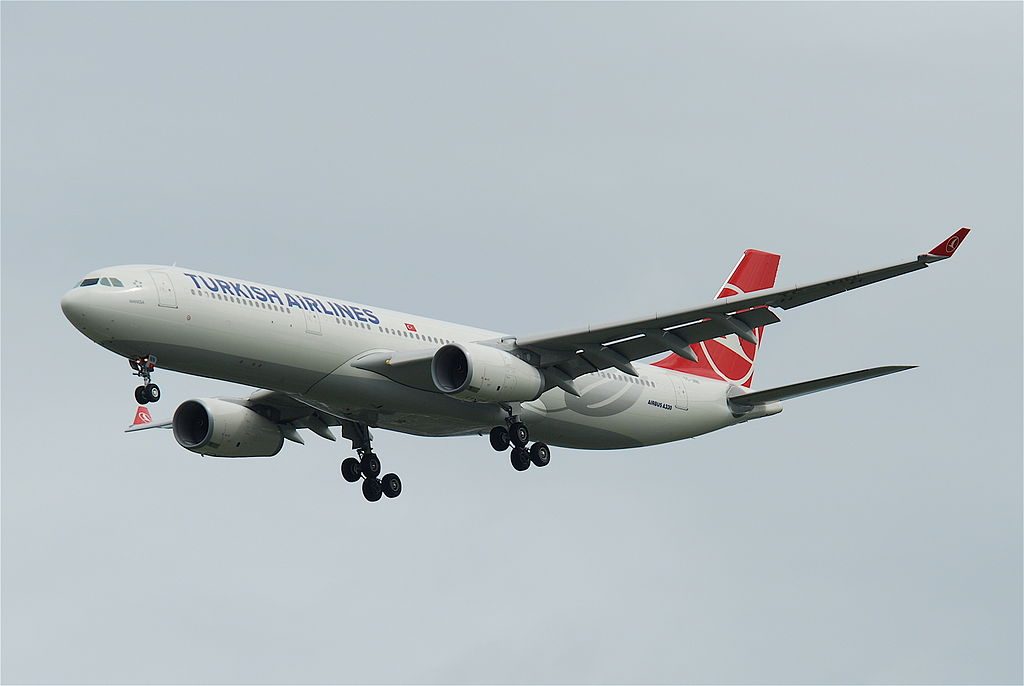
Fourth version of Turkish Airlines’ A330-200 features a two cabin configuration with Business and Economy Class seating, totaling a capacity of 281 passengers.

The A330-200 is optimized for med-to-long haul routes.

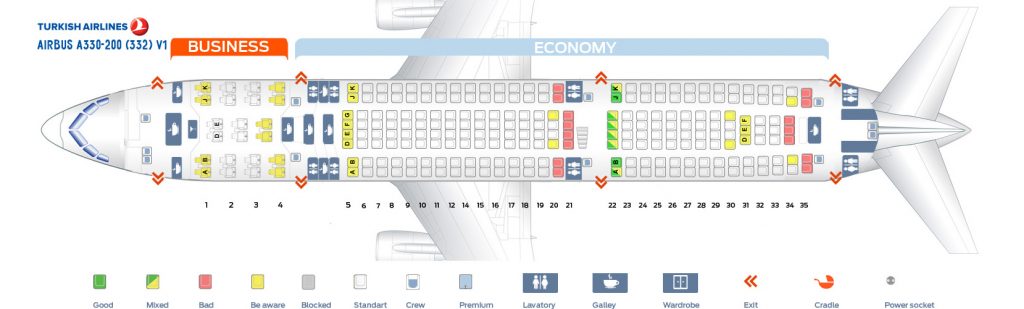
Seat Map and Seating Chart Turkish Airlines Airbus A330-200 V1

Seat Map and Seating Chart Turkish Airlines Airbus A330 200 V1

First version of Airbus A330-200 is the most common in Turkish Airlines fleet.

This airplane may accommodate 250 passengers in two classes: business and economy.

Business class consists of 22 angle-flat seats that have 159 degrees recline.

The noise from the galleys will cause discomfort to passengers of the seats 1AB, 1JK, 3DE, 4AB and 4JK.

Behind the exit row 228 seats of the economy class are located.

These seats are divided into two sections.

First section contains 16 rows of seats.

Most of them have 2-4-2 configuration.

Because of the bulkhead position the legroom of the seats of the 5th row is reduced.

Among other disadvantages: reduced width, lack of floor storage during take-off and landing and location of the galleys and lavatories in front.

For passengers traveling with babies these seats offer bassinet locations.

Proximity of the lavatories will represent problem for passengers of the seats 20AB, 20D, 20G, 20JK and 21DEFG.

In addition limited recline makes the seats 20AB, 20JK and 21DEFG bad seats.

The second section of economy class seats is located behind the exit row.

There are 14 rows of seats here.

Passengers of the seats of the 22nd row will take advantage of extra legroom.

However, other passengers tend to gather in the area of these seats while waiting to use lavatories thus causing discomfort to passengers of these seats.

As the tray tables are built-in the armrests, the width of these seats is reduced a little.

These seats have no floor storage during take-off and landing.

Also it can get very cold during the flight by the exits.

As there are no seats behind the seats 30D and 30G are often bumped by other passengers passing by and service carts.

Because of the awkward configuration transition of the seats from 4 to 3, the legroom of the seats 31DEF is limited.

The noise from the galleys located behind may be bothersome for passengers of the seats 34B, 34DEF, 34J and of the seats of the 35th row.

Limited recline makes the seats 34DEF, 35AB and 35JK bad seats.

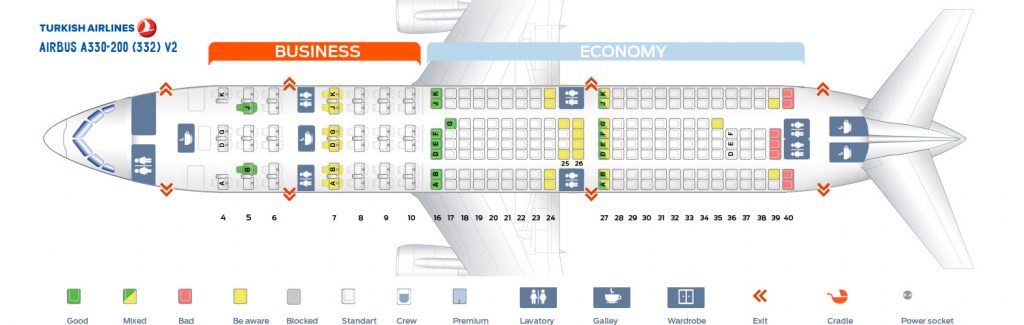
Seat Map and Seating Chart Turkish Airlines Airbus A330-200 V2

Seat Map and Seating Chart Turkish Airlines Airbus A330 200 V2

The second version of Airbus A330-200 offers 223 seats of two classes: business and economy.

Business class seats are divided into two sections.

Most seats of the business class have 2-2-2 configuration.

The first section consists of 3 rows of seats: first row contains 4 seats and two rows contain 6 seats each.

The best seats here are considered the seats 5B and 5J as they offer extra space for passengers legs due to missing seats in front.

Second section of business class seats is located behind the exit row and contains 4 rows of seats per 6 in each.

The noise from the galley and lavatories located in front will cause discomfort to passengers of the seats of the 7th row.

Economy class may accommodate 183 passengers.

These seats are divided from each other with a exit row.

There are 11 rows of seats in the first section.

Passengers of the seats of the 16th row and of the seat 17G will take advantage of extra legroom.

These seats are considered the best seats.

Passengers tend to congregate in the area of the seats 24AB, 24JK, 25D, 25G and 26DEFG while waiting to use lavatories and thus causing discomfort to passengers of these seats.

14 rows of seats are located in the second section of economy class seats.

Because of the exit row located in front the seats of the 27th rowoffer extra space for passengers legs.

However, close location of the lavatories will cause inconvenience to passengers of these seats.

As there is no seat behind other passengers tend to bump into the seat 35G.

Location of the lavatories behind may represent a problem for passengers of the seats 39B, 39DEF, 39J, 40AB and 40JK.

Limited recline makes the seats 39DEF, 40AB and 40JK bad seats.

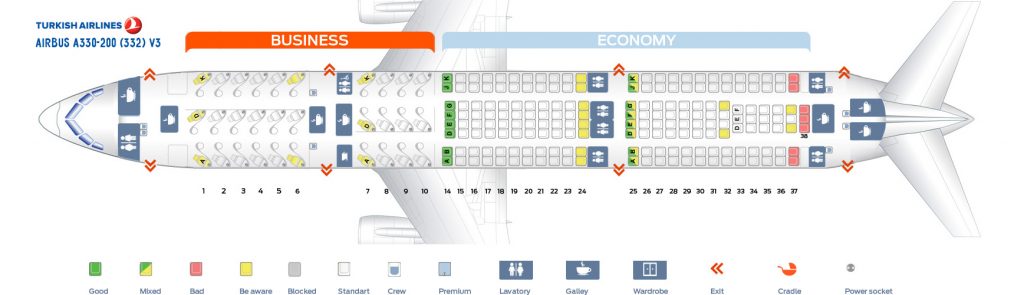
Seat Map and Seating Chart Turkish Airlines Airbus A330-200 V3

Seat Map and Seating Chart Turkish Airlines Airbus A330 200 V3

This version of Airbus A330-200 may transport 220 passengers.

Business class consists of 30 flat bed seats that have 1-1-1 configuration.

Proximity of the galleys is the main disadvantage of the seats of the 1st row and of the seats 6A and 6K.

Location of the galleys and lavatories in front of the seats of the 7th row will also cause discomfort to passengers of these seats.

Economy class offers 190 standard seats divided into two sections.

First section consists of 11 rows of seats that have 2-4-2 configuration.

The seats of the 14th row are considered the best seats as they have extra legroom due to the exit row located in front.

However, these seats have no floor storage during take-off and landing and are narrower than standard as the tray tables and TV screens are built-in the armrests.

Location of the lavatories behind will cause inconvenience to passengers of the seats of the 24th row.

Behind the exit row the second section of economy class seats is located.

This section contains 14 rows of seats.

Passengers of the seats of the 25th row will take advantage of extra space for their legs.

Among disadvantages of these seats: the noise from the lavatories located in front, reduced width and lack of floor storage during take-off and landing.

As the seats 32D and 32G jut out into the aisle, other passengers and crew members passing by tend to bump into these seats.

The noise from the lavatories and galleys located behind the seats 37AB, 37D, 37F, 37JK and 38DEF will cause discomfort to passengers of these seats.

Also the seats 37AB, 37JK and 38DEF are less reclining than standard that is why these seats are considered bad seats.

Seat Map and Seating Chart Turkish Airlines Airbus A330-200 V4

Seat Map and Seating Chart Turkish Airlines Airbus A330 200 V4

This airplane consists of 281 seats.

First 4 rows represent 22 angle seats of business class.

The seats of the first three rows have 2-2-2 configuration.

Passengers of the seats of the 1st row will feel comfortable thanks to the additional legroom.

However, the noise from the galleys and lavatory may be bothersome as well as lack of floor storage during take-off and landing.

The fourth row of business class contains 4 seats.

Location of the galley and lavatory behind will cause discomfort to passengers of these seats.

Economy class offers 259 seats.

Most of them have 2-4-2 configuration.

The seats 5DEFG, 5AB and 5JK have extra space for passengers’ legs.

Among disadvantages of these seats: reduced width, lack of floor storage during take-off and landing and close location of the galleys and lavatories.

Passengers tend to gather in the area of the seats of the 23rd row while waiting to use lavatories, causing discomfort to passengers of these seats.

Behind the exit row second section of economy class seats is located.

It consists of 15 rows.

Due to the exit row located in front, the seats of the 24th row have additional space for passengers’ legs.

At the same time these seats are narrower than standard as the tray tables are in the armrests making them immovable, have no floor storage during take-off and landing and proximity of the lavatories may be bothersome as well.

Due to awkward transition of the seats from 4 to 3, the seats 33D and 33G are often bumped by other passengers passing by.

The only disadvantage of the seats 37D and 37F is location of the lavatories behind.

The seats 36AB, 36JK and 38DEF have limited recline and location of the lavatories may be bothersome as well. These seats are considered bad seats.

Airbus A330-200 Turkish Airlines Aircraft Fleet Inflight Amenities and On-Board Services Information

  • Audio. Each seat has a personal TV with Audio and Video onDemand that features both albums and radio.
    More Information
  • Video. Each seat has a personal TV with Audio and Video onDemand that features 30 movies, 40 short films, and games. 
    More Information
  • AC Power. Power ports are available at all Business Class seats. There is no power in Economy.
  • Food. Turkish Airlines serves complimentary meals, alcoholic beverages, and soft drinks.
    More Information

Turkish Airlines Aircraft Fleet Wide-Body Airbus A330-200 Images Gallery

Thanks to visiting AirlinesFleet.com and read article : Turkish Airlines Fleet Airbus A330-200 Details and Pictures.